Alert (09/29/2026): Our Parkersburg TV transmitter is still undergoing maintenance and remains temporarily inoperative. We apologize for the inconvenience.
All our programming is available via our TV livestreams on our website and WVPB Passport. Thank you for your patience!
This week, ballroom culture offers LBGTQ folks a chance to be as fabulous as they want to be. Also, national media reports on the deaths of notable people, but small, hometown papers add a more personal touch. And, alpha-gal syndrome takes red meat off the menu, but what about ostrich?
Federal Funds Will Help Redesign Monongalia Highway Interchange
Adobe Stock
Listen
Share this Article
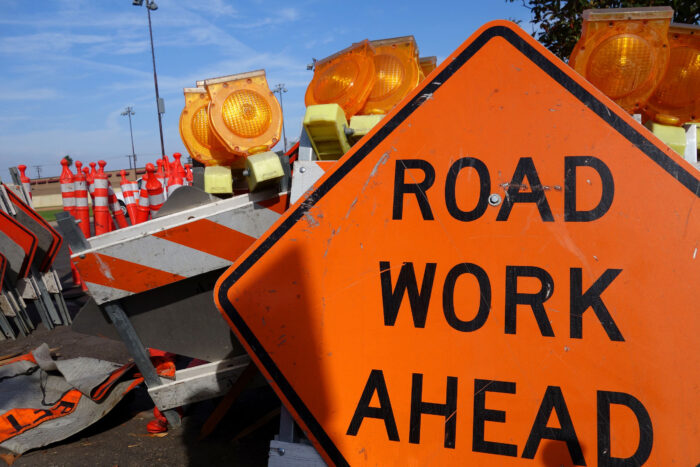
A transportation project in Monongalia County will receive millions of dollars in federal funds.
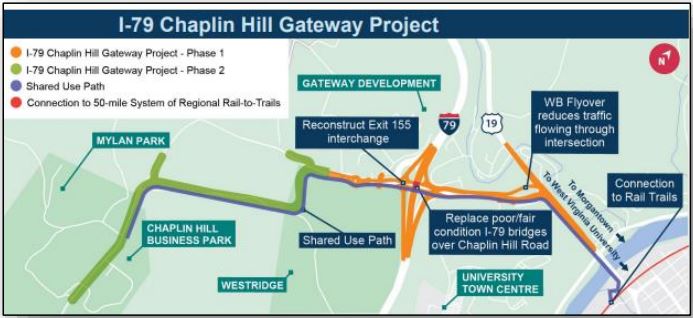
The Monongalia County Commission will receive more than $50 million to redesign Exit 155 on Interstate 79. The project has multiple components including replacing I-79 bridges over Chaplin Hill Road, reconstructing the exit 155 interchange, west bound I-79 flyover reconstruction, and a pedestrian and bicycle connection between the Star City bridge and the regional rail-to-trail network.
The redesign hopes to address several issues including the intersection’s higher than average crash rate, addressing a freight bottleneck, improving access to a job training center for individuals with disabilities, and reconnecting communities separated by I-79 just outside of Morgantown.
The project will also provide a new connection to the 48-mile rail-to-trail network that serves the region.
Under the Bipartisan Infrastructure Law, the National Infrastructure Project Assistance (Mega) Program provides funding for large, complex projects that are difficult to fund by other means and likely to generate national or regional economic, mobility or safety benefits.
Local leaders continue to promote the state's aviation industry as the country continues to face a shortage of specialized workers including mechanics, technicians and air traffic controllers.
An autism non-profit says a series of barriers including low Medicaid reimbursement rates have made it all but impossible for the majority of West Virginia children diagnosed with autism to receive the treatment they need.
West Virginia brought in $16 million more than projected for September, 3% ahead of estimate. For the first three months of the fiscal year, collections are up $62 million with increases in most – but not all -- categories.
Five children, abused at the hands of their adoptive parents and now 8-18 years of age, will share $4.4 million following an agreement between their attorneys and the state of West Virginia.




















 Adobe Stock