Alert (09/29/2026): Our Parkersburg TV transmitter is still undergoing maintenance and remains temporarily inoperative. We apologize for the inconvenience.
All our programming is available via our TV livestreams on our website and WVPB Passport. Thank you for your patience!
Our premiere fall broadcast season of Mountain Stage continues this week when host Kathy Mattea welcomes Tony Trischka’s EarlJam featuring Michael Daves, Buffalo Wabs & The Price Hill Hustle, Jack Barksdale, and Sarah Borges.
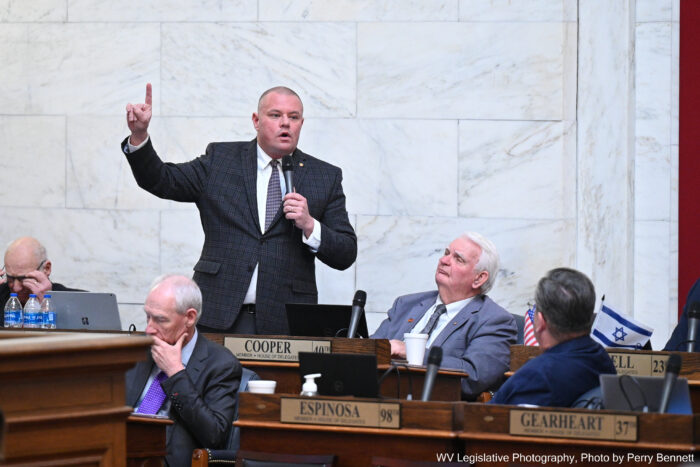
Del. Brandon Steele, R-Raleigh, has resigned his position in the House of Delegates effective immediately. Perry Bennett/WV Legislative Photography
Listen
Share this Article
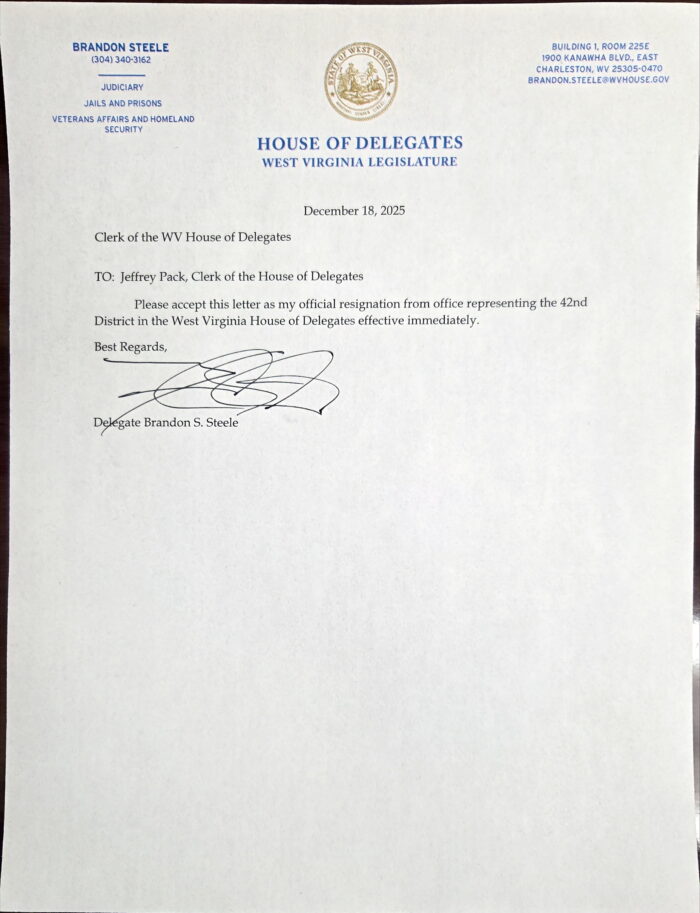
Del. Brandon Steele, R-Raleigh, submitted a one-sentence resignation letter to the clerk of the House of Delegates Thursday saying he was leaving his position effective immediately.
On the online news outlet Lootpress, which Steele owns, he said professional opportunities had arisen that would interfere with his service in the House.
“While I’m honored to represent them, I’ve had professional opportunities arise that would interfere with my service in the House of Delegates,” Steele told Lootpress. “I will always cherish the time I have spent in the House and the good work I was able to do while there. God bless the people of Raleigh County and the state of West Virginia.”
Steele was first elected to the House in 2018 and was reelected four times serving the 42nd delegate district.
Gov. Patrick Morrisey will accept recommendations from the Raleigh County Republican Executive Committee for Steele’s replacement and will select one person for the role.
The West Virginia Legislature will begin its regular 2026 session on Jan. 14.
Courtesy of the West Virginia House of Delegates
Add WVPB as a preferred source on Google to see more from our team
West Virginia has seen the largest population decline in the nation - nearly 1.5% - and many of those leaving are young people. In an episode that aired last month, Us & Them host Trey Kay heard from some young people who think they may stay in the state to launch their futures. This month, Kay talks with those who say living their dreams may well require moving away from the Mountain State. We listen to an excerpt from the latest Us & Them.
State lawmakers have warned surveillance company Flock Safety they may compel company officials to testify if they don't respond by Friday to questions stemming from an August interim meeting.