


Room With A View?
Steel stairs lead to the top of the Red Oak Fire Tower where there's a 14-foot square cabin with panoramic windows and a metal catwalk. There's electricity, but no water.
Continue Reading Take Me to More NewsAlert (09/29/2026): Our Parkersburg TV transmitter is still undergoing maintenance and remains temporarily inoperative. We apologize for the inconvenience.
All our programming is available via our TV livestreams on our website and WVPB Passport. Thank you for your patience!




To Educate, Inform, and Inspire by Telling West Virginia's Story

Mountain Readers Week will be held Oct. 5-9, 2026! Celebrate and foster a love of reading in children across West Virginia.

Nominate an exceptional West Virginia K-12 teacher today!

On Demand

On Demand

Stream original productions from WVPB

Watch locally produced documentaries & more.

On Demand

On Demand






West Virginia Morning

Inside Appalachia

West Virginia Week

Mountain Stage

Us & Them

The Legislature Today

The Legislature This Week

Send us your comments and questions.

Stream our board meetings.

Check out the latest WVPB news.

Sign up for our newsletter and get weekly updates.

Meet the WVPB staff.

WV Educational Broadcasting Commission, the WVPB Foundation, and the Friends of WVPB.

Come work with us!

Read our annual report and learn how we educate, inform and inspire with your support.

Sponsor impactful and engaging media and entertainment.

Use your IRA to make a gift to WVPB.

Become a member with your gift of $1,000 or more.

Make WVPB part of your legacy.

Manage your membership account.

Learn how you can Protect and Sustain West Virginia Public Broadcasting.
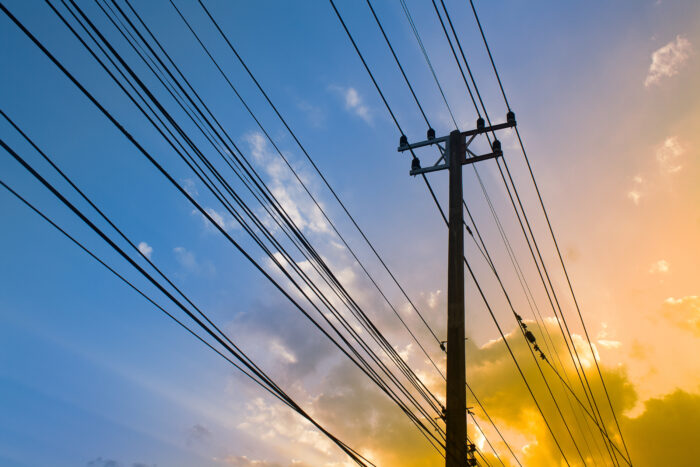
The Public Service Commission of West Virginia is currently conducting public comment hearings concerning developer NextEra Energy’s application to construct a new 107.5-mile-long transmission line from Pennsylvania through West Virginia to Virginia. Known as the MidAtlantic Resiliency Link, the line would cross Monongalia, Preston, Mineral and Hampshire counties.
Reporter Chris Schulz recently spoke with Kaitlin McCormick, senior director of project execution at NextEra, about the need driving the project.
This interview has been lightly edited for clarity.
Schulz: In your own words, can you briefly tell me about the Mid Atlantic Resiliency Link (MARL)?
McCormick: Our Mid Atlantic Resiliency Link is a 107-mile electric transmission line that is going to provide a grid modernization effort to enable additional energy to move throughout the region and to serve West Virginians and the adjacent states.
Schulz: West Virginia is part of a 13-state energy market. Why is a project like this necessary right now?
McCormick: I think one of the easiest ways for people to conceptualize this is to think about it more like your transportation and your traffic network. PJM is the regional grid operator, and they operate that area that you just referenced, the 13 states. They do long-term planning, and if you think about electricity moving through the electric grid the same way that you think about traffic moving through the road networks; plenty of construction here outside of Morgantown right now. There’s routine projects to make sure that we are having enough capacity on the roads, enough lanes on the highways, that we’re fixing the potholes, that that work is being done. Same happens with electric transmission, and there’s efforts that are underway on an annual basis to look at what the electric needs are, where electricity is being generated, where it’s being consumed, and to make sure that there’s enough lanes on the highway for electricity, and this is one of those projects that’s to help serve the needs that we have now.
Schulz: What is the capacity of MARL? How much energy are you hoping to transmit across 100 miles? Seems like a long distance to transmit high voltage.
McCormick: This project is not just transmitting from one end to the other. I think that is a point of confusion for many people. This project is going to be networked in, and it’s going to be serving people throughout the entire region. It’s a 500kv transmission line, and that is going to have one end up in Dunkirk Township, Pennsylvania, just over the line here from Mon County, and then the other end of it is in Frederick County, Virginia, and that will also be networked in at our Black Oak substation, First Energy Black Oak substation, located on the Mineral County-Allegheny County line. And those are all points that are like a highway interchange that’s going to allow electricity to move on and off the grid to serve individuals, businesses, hospitals, schools located throughout the region.
Schulz: A lot of people are concerned that this is exclusively a transmission line that is using West Virginia as a pass through for the physical infrastructure of the line itself. Can you explain to me why that seems to be such a sticking point for people?
McCormick: Let me take that in two pieces, and first the regional reliability planning, so that’s the “keep the lights on” piece of what PJM is, the regional grid operator. They do the studies to make sure that they’re able to move the power through. Our project was awarded as part of a window that they did in 2023 saying here’s what we see this year and what problems or challenges that we have to address based on changing generation patterns, increased power demand to serve everyone throughout the region, and this was one of the selected projects. That durable need is part of why you would need this bigger project.
The second piece of that is, if you think about how electricity moves through the system, it’s not concerned about where the state lines are, so you may have power that is coming from one area, moving through. It’s not going to stop between Pennsylvania and West Virginia, between Maryland and West Virginia. It’s going to continue to move through the system. If you think about, say, your commute home, or say you’re going to go up to Pittsburgh to catch a Steelers game, you’re going to get on and off I-79. But you are not going to necessarily get right off I-79 and into your driveway to your house, but you having that access there to the interstate and the ability to move through the region on that is going to make your commute easier and can help other commutes be easier having multiple road segments as well that are through there. So if there’s unfortunately an accident on the interstate, you might have a workaround where you can come along a state route or a county route to work around that to get to where you need to go, and the same thing happens with electricity through the power grid.
Schulz: If I understand you correctly, the benefit is just overall greater reliability, and this is like a net positive, is what we’re being presented here, where, because higher loads in other areas are being met by MARL, that’s not going to detract from the load requirements here in West Virginia, am I following your logic there?
McCormick: The power is going to move through the system where it needs to go to make sure that the lights, like here in the studio, are able to turn on. The line is bidirectional, so power can move east to west or west to east, and the power is going to go where it’s needed, when it’s needed to make sure that that power is serving any of the individuals throughout the region that PJM serves as part of their customers.
Schulz: More than half of the proposed route is in West Virginia, just under 60 miles. There are concerns from a lot of people, and we’re going to get to land usage in just a second, but there’s a lot of concern about the current structure of paying for this level of infrastructure. What can you tell me about the carryover effect to the average rate payer in this region of West Virginia and beyond in PJM?
McCormick: Costs for transmission are allocated by PJM in accordance with the tariff that they have with the Federal Energy Regulatory Commission. And then utility rates for a customer, like your electric bill that you’d get at home, are set by the Public Service Commission. All of that being said, we were required, as part of our application to the West Virginia Public Service Commission, to include a study looking at the potential impacts to retail rates and the impact to a typical residential customer on their monthly bill would be $1 or less per month.
Schulz: So that’s $12 a year. The other concern with this passing through West Virginia is land usage. From what I understand, NextEra has tried to stick to existing rights of way, existing transmission lines, but it cannot be avoided that this is going to have to go on and through a lot of people’s land. What can you tell me about the easements that you are working on, and the land acquisition that is necessary for a project of this size?
McCormick: Let me take that a step maybe further back in the process. First, the key part that we worked with the public on, and through a series of open houses on, was a routing study, and that routing study integrated feedback from agencies at federal, state, local level, community input, stakeholder group input. As part of that process, we were looking to minimize impacts of our route on landowners, on the community, and on the environment. One of the ways that we looked at doing that was, where we could, paralleling and abutting existing transmission rights of way.
That being said, the world has changed a lot. It was our parents, grandparents, maybe even great grandparents that helped build those transmission lines that cross through a lot of this area, and the world has changed around where those are. We’ve had to deviate from that to avoid businesses and homes, and also be sensitive to environmental constraints. As we went through that routing process, that was the first step in the process, and we worked that through to the proposed route that we filed with the Public Service Commission and the commissions in the other states that we have infrastructure. We are working with our land agents to work with landowners to get easements for rights of way on their property to accommodate this transmission line, and we have a team that’s out working with them to educate them on the process to work with them based on the specific needs on their property.
Schulz: Speaking of that team, I’ve been told by some landowners that they have been a little frustrated with their experience speaking to and interacting with some of the representatives that are coming to them. What can you tell me about the process for speaking with local landowners?
McCormick: We have a team of both an in-house land team as well as contracted agents that are working to support the project. We have a land agent code of conduct that they are required to adhere to. I can’t comment on any specific landowner interaction, but if there is ever a question from somebody about whether or not somebody is actually a land agent working for us, if they have a question or a concern, or would like some follow up with us and with my team about that, they can reach out to us. We have a hotline, that’s 833-849-1461 and then we also have an email address, MARL@NextEraEnergy.com. We take any feedback anyone has very seriously, and if somebody would like to reach out to us with any particular concern, we’ll follow up with them. We’d like to respond to people within a couple of business days of getting those messages.
Schulz: Just briefly, can you tell me a little bit more about this code of conduct?
McCormick: The code of conduct lays out the standards and and the quality of work that we expect from our agents and the respect and care that we expect each of our agents to have when they’re interacting with people. One of our core values as a company is that we treat people with respect, and we expect that of each of our agents.
Schulz: What about the use of aerial drones and helicopters, is that something that you are utilizing as you scope out this proposed route?
McCormick: To my knowledge, we are not doing any of those surveys right now. There are different types of surveys that can get done, for example, if you’re flying a high-res aerial imagery or something that may get flown with a fixed wing aircraft. Right now, I’m not aware of any that we are currently doing, but I do know that in the electric industry in general, there are a lot of other monitoring of existing lines that happens using helicopters or other types of aircraft.
Schulz: You’ve handed me a fact sheet here about the project, and one of the things that stands out is the timeline for this project. Within five years, you want to be in service. West Virginia is a very rugged territory, as is honestly most of the 100 miles that you are proposing to build on. How are you working to anticipate some of the issues that you might run into building in an area like this?
McCormick: We have an engineering team, both in house and some consultants that we work with, as well as a number of different contractors with their expertise in the Mid-Atlantic and the region, that we’ll talk to specifically about their capabilities and make sure that they’re qualified, that they’ve got experience and expertise on the ground and with the terrain.
With the construction mindset, I do you want to flag that we typically use a lot of regional and skilled labor, and those are people, obviously, who are from this area and familiar with the terrain. We’re going to have probably about 200 skilled construction jobs here in West Virginia, about $37 million in payroll, supporting those over the two year construction timeline for the project. Looking at that skilled labor and those skilled trades folks, we also typically expect to engage with union labor as well, and our company is committed to engaging kind of with union labor and contractors through our local transmission line contractor that we’ll have for the project.
Schulz: I wanted to go back to something that you said earlier. You mentioned grid reliability. Generally speaking, at least in this region of West Virginia, we have a pretty reliable grid. Can you talk to me a little bit more about why the need is expected to rise so sharply that this type of project is necessary?
McCormick: About 40 to 50 years ago, when the transmission lines that we have now were built, we had a much lower demand, even in the residential home, for power. We’re looking at about two to three times that in terms of electricity use now in your home, in my home. And what we can’t do is wait for the grid to fail to fix it and to upgrade it. It’s important to make sure that that work and that proactive planning is happening, so that we’re modernizing the grid, so that it grows with us.Our grandparents worked to build the grid and to have the grid that powered us for the last century, and this is an opportunity for us to modernize the grid to serve generations to come.
Schulz: I think something that has kind of raised people’s concerns is the terminus of this line in Northern Virginia, as well as the need for more energy coinciding with an increase in data center requirements for energy. PJM itself and some of the other energy watchdogs have identified that as the core reason for needing to rapidly increase the capacity in our grid. So I completely understand the genuine need for maintaining reliability and modernizing our grid. However, I haven’t really heard you talk about this secondary issue that people are making a connection to this project. Part of the frustration that I’ve heard from a lot of people that I’ve spoken to is it seems like a very clear line between running a transmission line to Northern Virginia and the rise in a very power-hungry data center industry. What does NextEra have to say about that?
McCormick: This project was identified by PJM as the regional grid operator as a reliability project, and that’s designed to respond to the needs of the entire electric grid in the region, so it’s not tied to any specific generation source, and it’s not tied to any specific end user, and the electricity that is flowing through this line and through the region is meant to serve customers here in West Virginia and throughout the region. It’s a little bit more complicated to think about, that you can also think about it as kind of water moving through a system or traffic moving through a system, but that electricity is going to work its way through West Virginia and the neighboring states through those substations that we already interconnect to, and we expect to have continued interconnections that happen as the needs are identified and developed by PJM. One of the things that we’re working on at NextEra Energy Transmission is coordination with both PJM and the state of West Virginia on a statement of principles to identify additional opportunities to support industry and commercial development here in West Virginia to target the placement of additional substations or interchanges to serve the electricity to customers in areas even more directly here in West Virginia, noting that the interconnections that we already have are also serving customers and serving individuals, the ratepayers throughout this region in West Virginia.
Schulz: That future planning, was that in your original prospectus, to add more substations?
McCormick: The scope that we have now, the base scope for the Mid Atlantic Resiliency Link did not include that. We’re looking at additional enhancements and opportunities in coordination with PJM and the state of West Virginia to further provide economic benefits to the region.
Schulz: If there’s anything I haven’t given you a chance to discuss, or if there’s something that we touched on that you’d like to highlight at this time, please do so.
McCormick: We’ve talked a little bit about the changing demands and power needs. Again the grid is under stress and we can’t wait for it to fail before we work to fix it to avoid the potential for brownouts and blackouts. West Virginians are going to directly benefit from this project, as will the broader region, and we’re going to deliver reliable power, local construction jobs, and economic investment through tax, through payroll, and induced benefits throughout the region as a result of this project.
Add WVPB as a preferred source on Google to see more from our team

The commission established a daily schedule for the testimony of the approximately 74 persons who may appear to testify, including representatives from developer NextEra and private citizens.
Continue Reading Take Me to More NewsThe state of West Virginia was briefly on a federal list of potential nuclear generation sites, but it appears that project is off.
Continue Reading Take Me to More NewsAcross the Appalachian Mid-South, local law enforcement is doing more to support U.S. Immigration and Customs Enforcement (ICE) in detaining people. Morgan Watkins with the Kentucky Center for Investigative Reporting analyzed the latest data on ICE arrests in Kentucky, Tennessee and West Virginia. Louisville Public Media's Bill Burton spoke with her about what she learned.
Continue Reading Take Me to More NewsA U.S. Energy official visited the West Virginia University campus Tuesday, to promote an effort to increase the number of graduates with expertise in mining, minerals and associated supply chain technologies.
Continue Reading Take Me to More News