Alert (March 11, 2026): Our TV translator in Flatwoods is experiencing technical issues. Our engineers are troubleshooting the problem. Thank you for your patience.
This week, having a very specific talent can lead to a dream job. It’s how cartoonist John Rose got his foot in the door to draw the comic strip Snuffy Smith. Also, there are dos and don’ts for treating poison ivy. And, a young, old-time musician wants to save her family’s lost ballads.
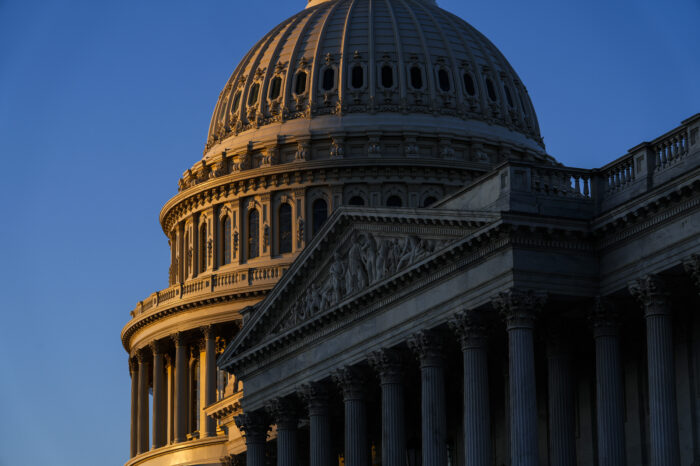
Two West Virginia student leaders will be traveling to the nation’s capital this March to study the American political processes.
Each year, two high school juniors or seniors are selected from each state for the Senate Youth Program (USSYP) in Washington D.C. USSYP is an intensive week-long educational experience and scholarship sponsored by the United States Senate for outstanding high school students who are interested in pursuing careers in public service.
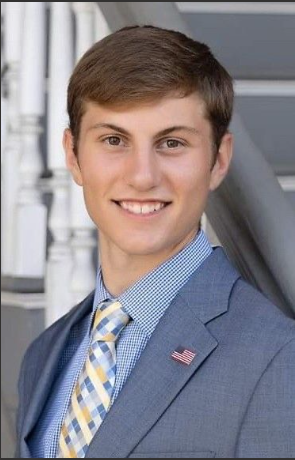
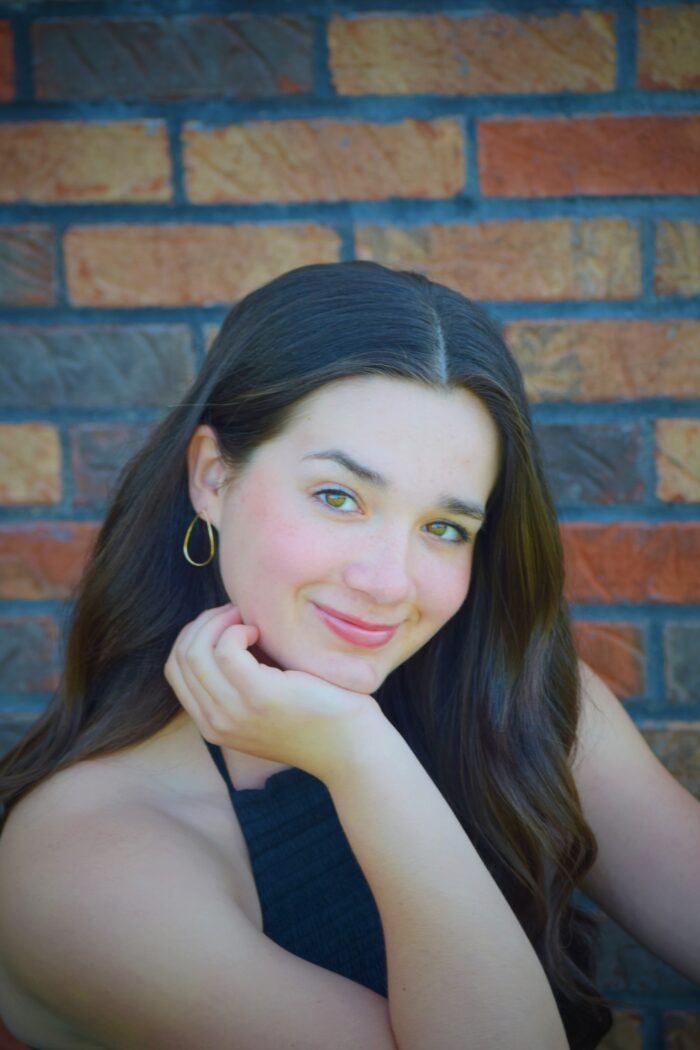
West Virginia’s delegates this year are Bryson Riggleman, a senior from Petersburg High School and Peyton Barker, a senior from Greenbrier East High School. Both are student government presidents at their schools.
Riggleman said he’s excited to represent the state and learn up close about how the government works.
“It’s one thing to read something in a textbook,” he said. “It’s another thing to apply it outside of the textbook and into real life. I want to see what it looks like in real time, in real action.”
Barker said she is most looking forward to meeting and learning from fellow student leaders from across the country.
“Every person has so many different things to offer,” she said. “I really just want to work on my ability as a leader, and just learn from others. That way going forward, whether I’m an engineer, a politician, helping middle school students or raising my kids, I know that I’ve been fully equipped.”
Bryson Riggleman
Peyton Barker
Photos courtesy of the West Virginia Department of Education
Student delegates also receive a $10,000 undergraduate college scholarship to the college or university of their choice. To qualify, students had to complete an application process that included essays, interviews, recorded speeches and an exam.
Joey Wiseman, director of student enrichment for the West Virginia Department of Education, said a selection team comprised of constitutional officers such as West Virginia Supreme Court justices and other professionals make the selection each year.
“It’s a great opportunity for students,” he said. “We’re always trying to promote students to look at different careers and we need public servants out there in the field.”
Petersburg High School Principal Amanda Campbell said although she was very proud of Riggleman, the credit is all his.
“This is what he has just been called to do,” she said. “He is always at the forefront of any kind of question about how we’re doing things with the school, how we can make them better. He is a proponent for his classmates when there’s something going on.”
Mike Vincent, school counselor at Greenbrier East High School, has similar praise for Barker.
“I’ve had other students that have made it to the interview process. I have not had any students that have gone on to be one of the two going to D.C.” he said. “She is the one that should have done this so I’m really glad that she did. Because it’s just such a perfect fit for her.”
Add WVPB as a preferred source on Google to see more from our team
While not directly involved in the case, the PCSB’s amicus brief – also known as a “friend of the court” brief – would be focused on religious liberty to assist the court in making its decision.
It has been a week since the bill creating the state’s new Office of Entrepreneurship was signed into law – with an official opening date of July 1. Maria Young caught up with Secretary of State Kris Warner to find out what the new office can do to help would-be new business owners turn their hopes and dreams into reality.
Overwhelming issues at school districts across the state in the last few years have prompted the West Virginia Department of Education to investigate and intervene in the administration of local education. We learn about an analysis conducted by the Cardinal Institute for West Virginia Policy of 10 school districts and the need for a broader look at the issues facing the state's schools.
































 AP Photo/Matt Rourke, File