Alert (09/29/2026): Our Parkersburg TV transmitter is still undergoing maintenance and remains temporarily inoperative. We apologize for the inconvenience.
All our programming is available via our TV livestreams on our website and WVPB Passport. Thank you for your patience!
This week, author Silas House returns with a sweeping new novel. Also, some folks say, you have to fake it 'til you make it, even if you're trying to establish a state park. And, the story of the first Mothman sightings as written by a small town journalist in 1966.
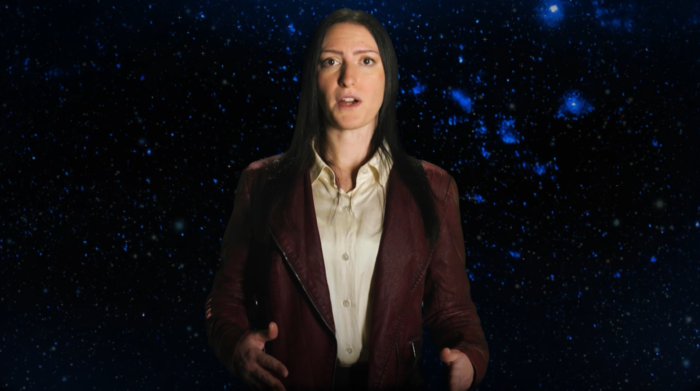
Shannon Silverman, an astrophysicist at the Clay Center for the Arts & Sciences in Charleston, West Virginia, guides us through the cosmos above the Mountain State.
Browse our episodes below and find classroom resources at the bottom of this page.
Find even more resources from WVPB Education here.
Our Host
The Clay Center’s Planetarium and Science Educator, Shannon Silverman, studies high-energy astrophysics, with a particular focus on neutron stars.
She graduated from the University of North Dakota and the University of North Florida.
Shannon Silverman is host of WVPB’s Almost Heavens video series.
Episodes
West Virginia is about halfway between the North Pole and the Equator. That means the state is in the perfect spot to view everything the northern skies has to offer and even a little of the southern skies.
Browse our videos below to find out what’s going on in the night sky above West Virginia.
Episode 1: Orion
Episode 2: Planets
Episode 3: Winter Triangle
Episode 4: Deep Sky
Episode 5: Bright Sky
Episode 6: Summer Constellations
Episode 7: Summer Deep Sky
Episode 8: Big Dipper and North Star
Episode 9: Arcturus and Antares
Episode 10: The Milky Way
Episode 11: Andromeda Galaxy
Episode 12: Triangulum Galaxy
Episode 13: Cygnus Albireo, Deneb
Episode 14: Fall Deep Sky
Episode 15: Cassiopeia and Andromeda
Episode 16: Gemini and Leo
Screenshots from Almost Heavens
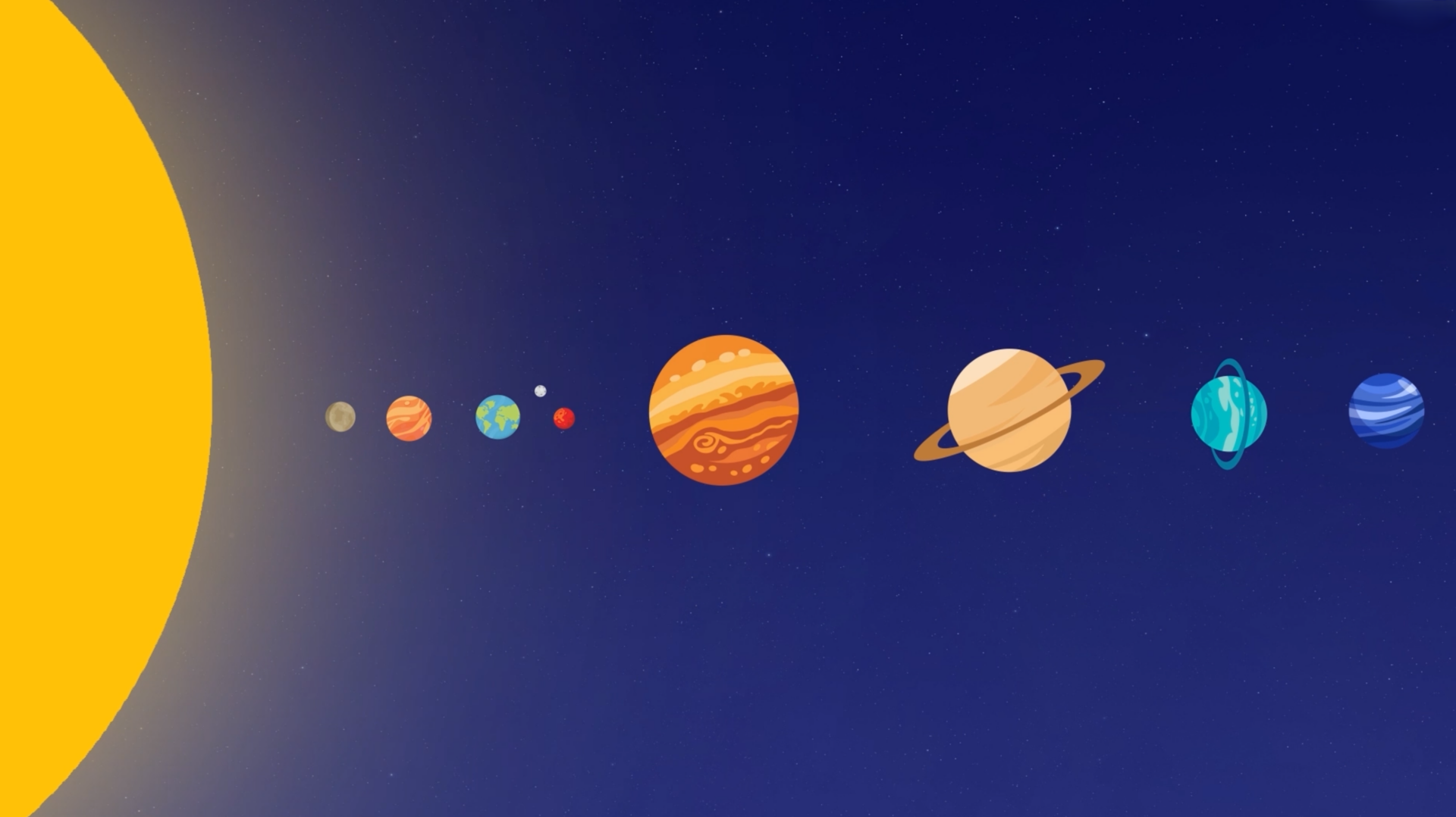
A lineup of the planets in our solar system. Starting from the sun and Mercury all the way to Neptune.
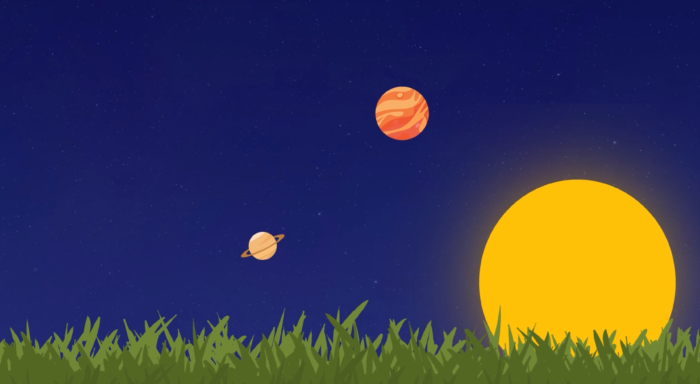
Venus, Saturn and the Sun as seen from Earth during the winter.
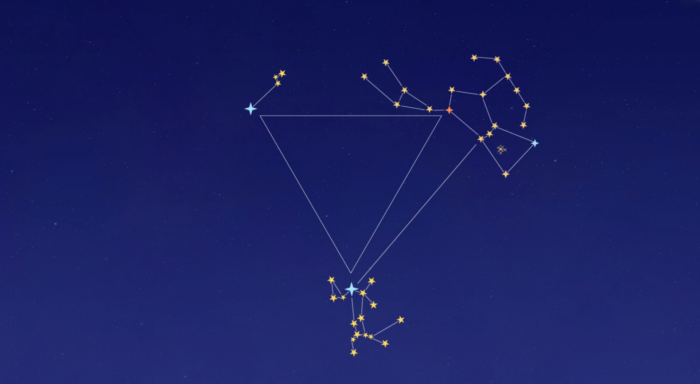
The Winter Triangle and the constellations that make it up.