Your browser doesn't support audio playback.
People continue to resist the Mountain Valley Pipeline (MVP). Some folks have complained to the company about noise from compressor stations.
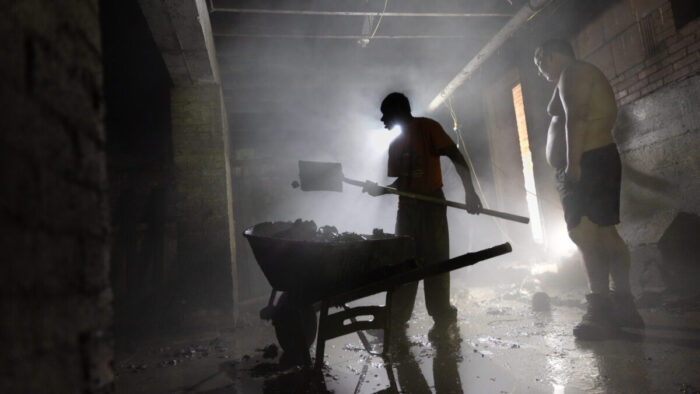
Also, why is Appalachia so prone to severe flooding? We spoke with a reporter whose team dug into the data to find out.
And, a good blanket will keep you warm on a cold night, but a handmade temperature blanket can convey a message to a loved one.
You’ll hear these stories and more this week, Inside Appalachia.
In This Episode:
- Mountain Valley Pipeline Project In Greenbrier County, W.Va.
- The Washington Post Investigates Flooding In Appalachia
- Remembering Tennessee Luthier Jean Horner
- Affordable Healthcare Options For The Uninsured
- Residents Challenge Secretive Proposal For Data Center In Northern Kentucky
- A Sharper Silence Explores Grief, Nature and Hurricane Helene
- Temperature Blankets Stich Stories From Ancient Times
Mountain Valley Pipeline Project In Greenbrier County, W.Va.

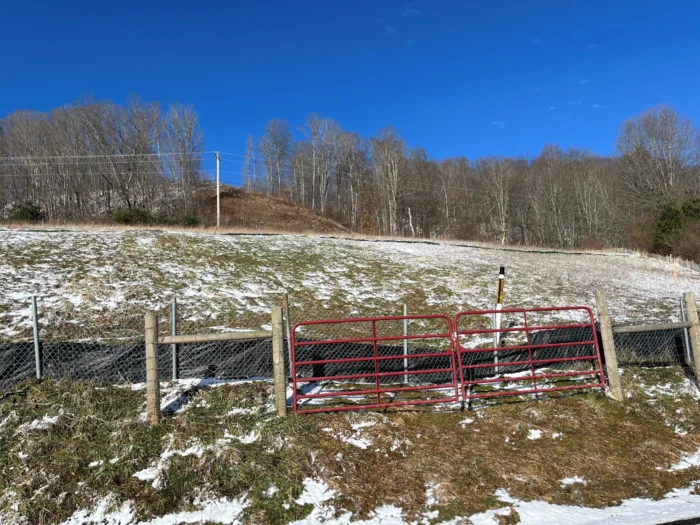
Photo Credit: Roxy Todd/Radio IQ
The Mountain Valley Pipeline stretches 303 miles from northern West Virginia to southern Virginia. Now the company behind the pipeline wants to build a new compressor station in Montgomery County, Virginia.
For a glimpse of what may be headed their way, Radio IQ’s Roxy Todd went to Greenbrier County, West Virginia. She spoke with a family who lives near one of MVP’s existing compressor stations.
The Washington Post Investigates Flooding In Appalachia

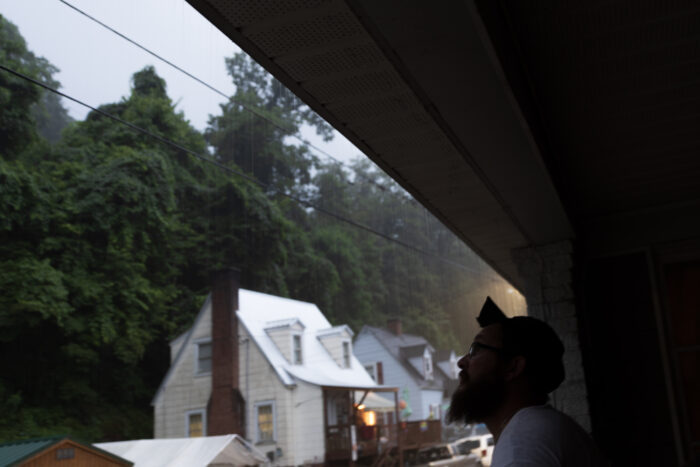
Photo Credit: Tom Brenner/The Washington Post
Over the past few years, catastrophic floods have washed out parts of Appalachia and devastated communities. Eastern Kentucky in 2022, western North Carolina, Virginia and East Tennessee in 2024. And then, southern West Virginia early last year. So, why is such intense flooding hitting the mountains? And what do frequent major storms mean for the future?
A team of Washington Post journalists explored this question in a story published late last year. Journalist Brady Dennis joins host Mason Adams to discuss their investigation.
Remembering Tennessee Luthier Jean Horner

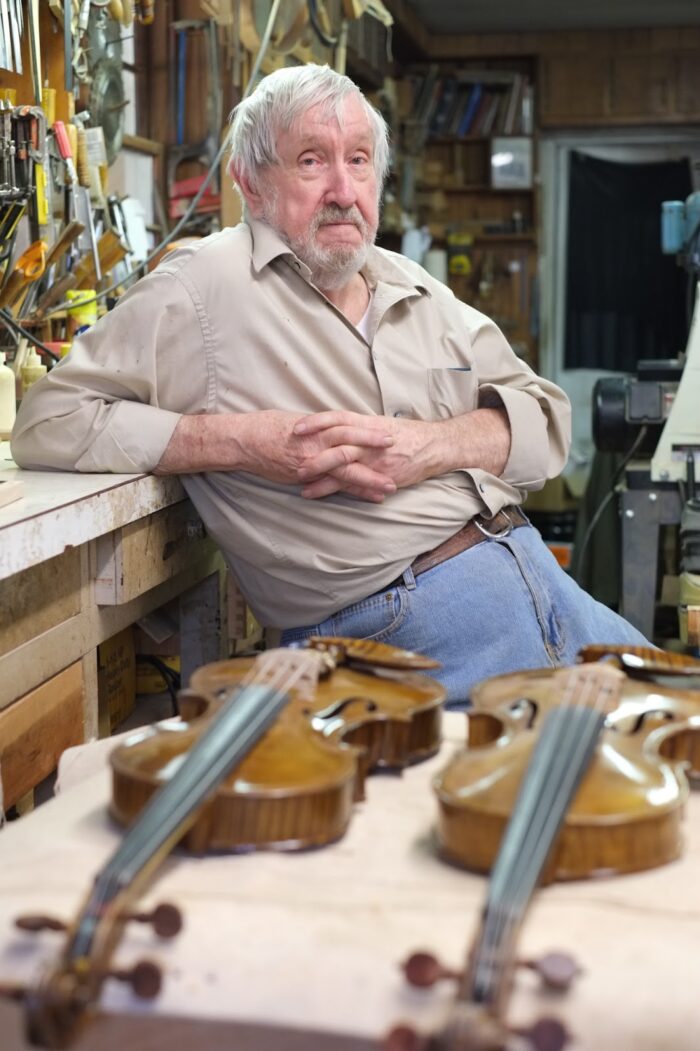
Photo Credit: Lynn Dudenbostel/Daily Yonder
For more than 70 years, Tennessee fiddle maker Jean Horner built instruments that have traveled across the country. His fiddles have been to Carnegie Hall, the Grand Ole Opry and the Smithsonian.
Horner’s craft was shaped by his roots in Appalachia’s Cumberland Plateau and his fascination with great Italian violin makers of the 17th and 18th centuries. Horner died last January at age 91. Reporter Lisa Coffman interviewed Horner at his workshop in 2023 and shared this remembrance.
Affordable Health Care Options For The Uninsured

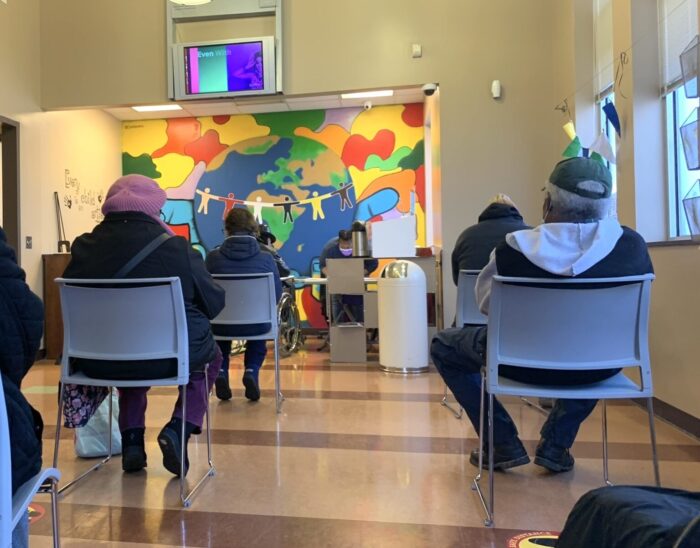
Photo Credit: Blake Farmer/HealthQ
With the expiration of enhanced federal subsidies, a lot of people are forgoing health insurance this year. But even with no insurance, there may be an affordable health care option near you. Reporters Cara Anthony and Blake Farmer with HealthQ have more.
Residents Challenge Proposal For Data Center In Northern Kentucky
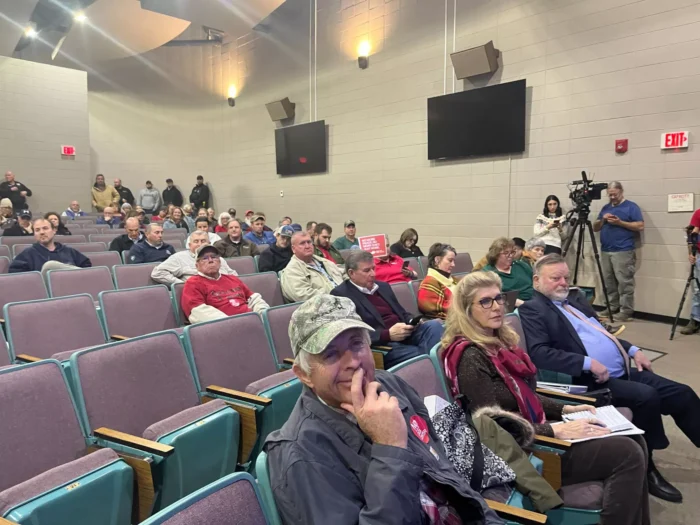
Photo Credit: Shepherd Snyder/WEKU
The town of Maysville on the Ohio River in northeast Kentucky is considering a proposed data center. The name of the company proposing it hasn’t been disclosed, and residents are pushing back against the secrecy. For the Appalachia + Mid-South Newsroom, WEKU’s Shepherd Snyder has more.
A Sharper Silence Explores Grief, Nature And Hurricane Helene


Photo courtesy of Michael Hettich
Seven years ago, poet Michael Hettich landed in Black Mountain, North Carolina. Since moving there, Hettich has published four books of poetry, including his latest, A Sharper Silence. The book explores nature, touches on Hurricane Helene and speaks of his relationship with his wife, Colleen, who died last year of lung cancer.
Producer Bill Lynch spoke with Hettich about the collection.
Temperature Blankets Stich Stories From Ancient Times
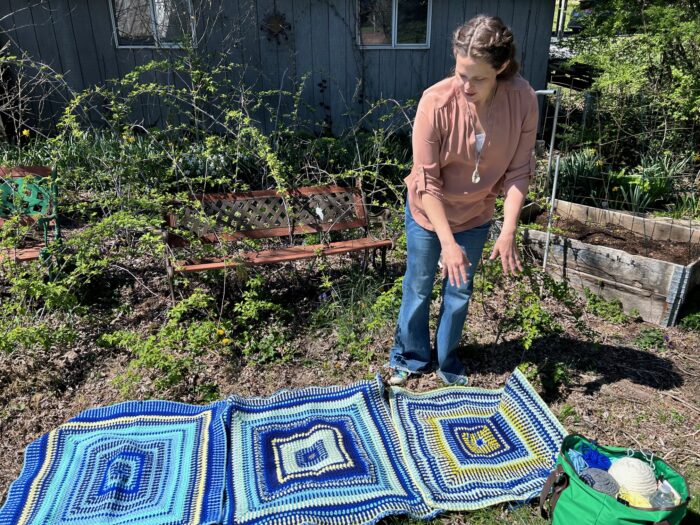
Photo Credit: Wendy Welch/West Virginia Public Broadcasting
Temperature blankets are a popular project among crocheters. They began as a way for fiber artists to document the daily temperatures of a year, using red yarn for record highs and shades of blue for the cooler days. But the tradition of telling a story through textiles goes way back to ancient times.
Folkways Reporter Wendy Welch shared this story.
——
Our theme music is by Matt Jackfert. Other music this week was provided by Mary Hott, Jean Horner, David Odell and Dave Bing, Paul Loomis and Tim and Dave Bing.
Bill Lynch is our producer. Abby Neff is our associate producer. Our executive producer is Eric Douglas. Kelley Libby is our editor. Our audio mixer is Patrick Stephens.
You can send us an email: InsideAppalachia@wvpublic.org.
You can find us on Instagram, Threads or here on Facebook.
Sign-up for the Inside Appalachia Newsletter!
Inside Appalachia is a production of West Virginia Public Broadcasting.