

Your browser doesn't support audio playback.
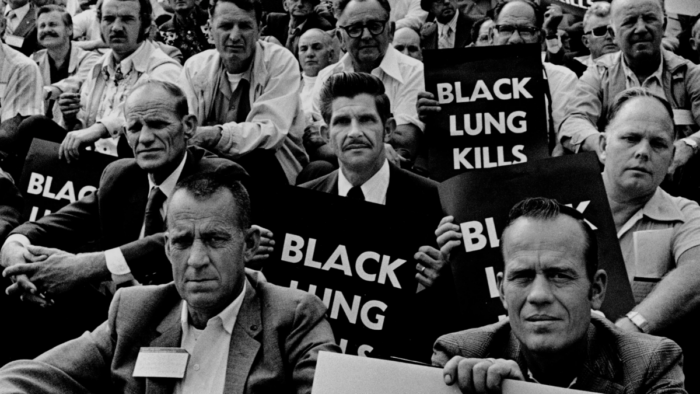
A new report finds the number of black lung cases is at its highest since the 1970s. The human cost is high.
Also, the author of a new book says reintroducing nearly extinct animals back into the wild can boost damaged ecosystems, but they can’t repair them.
And, roadside attractions pay tribute to our enduring fascination with weird.
You’ll hear these stories and more this week, Inside Appalachia.
In This Episode:
- Reporters Discuss Black Lung Surge In Appalachia
- Black Lung Cases Highest In 50 Years
- “Gravity House” Roadside Attraction
- Returning Wild Animals To Wild-ish Places
- The Beasts of the East: The Fall and Rise of America’s Eastern Wilderness
- Ascend Program Benefits Remote Workers Moving To W.Va
Black Lung Cases Highest In 50 Years

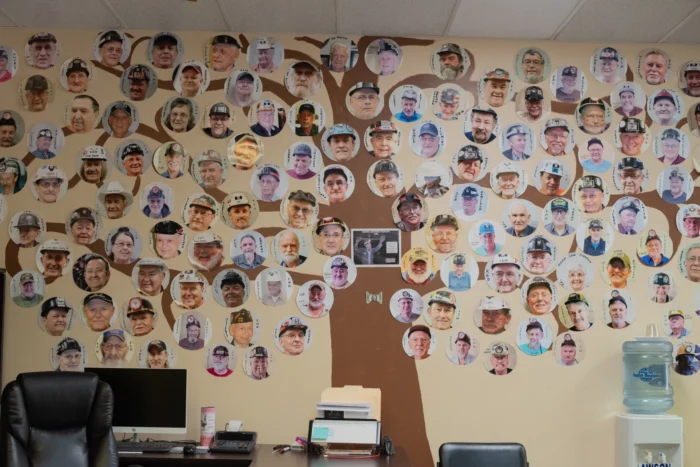
Photo Credit: Justin Hicks/Kentucky Public Radio
A new report from the Centers for Disease Control finds that black lung rates are the highest they’ve been since the 1970s. The disease can be debilitating, even for young miners. For the Appalachia + Mid-South Newsroom, Justin Hicks reports with Howard Berkes, a longtime investigative reporter who’s focused on black lung for years, on why this is happening.
“Gravity House” Roadside Attraction
There’s still time to squeeze in a road trip in the waning days of summer. If you’re on the road, keep an eye out for classic roadside attractions.
Folkways Reporter Andrea “River” Peterson explored how “Gravity House” attractions keep luring new fans with vintage kitsch.
Returning Wild Animals To Wild-ish Places

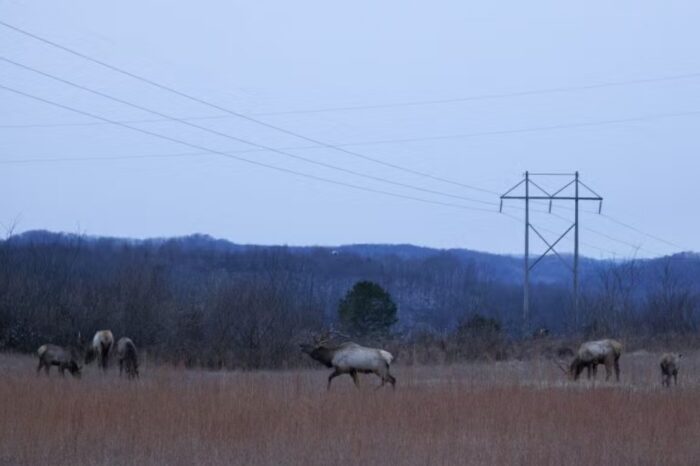
Photo Credit: Irina Zhorov/The Pulse
Europeans decimated native animals when they settled the U.S. By the 1800s, some species had disappeared from entire regions of the country, among them, the elk. States east of the Rocky Mountains have been reintroducing elk. But does bringing back wild animals bring back wilderness?
Inside Appalachia Editor Irina Zhorov found that it’s complicated.
The Beasts of the East: The Fall and Rise of America’s Eastern Wilderness

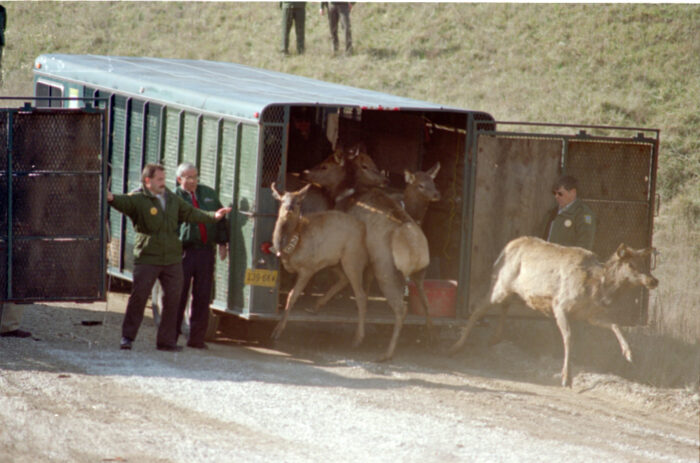
Photo Credit: John Perkins/Kentucky Department of Fish and Wildlife Resources
Wildlife advocates are pushing to bring large species back across the East. It has worked with some species, like elk and not so much with others. A new book looks at the process. It’s called The Beasts of the East: The Fall and Rise of America’s Eastern Wilderness.
Host Mason Adams spoke with author and Pittsburgh journalist Andrew Moore.
Ascend Program Benefits Remote Workers Moving To W.Va

Photo Credit: Chris Jackson/NPR
The pandemic supercharged remote working. Several states raced to take advantage with programs to attract remote workers and digital nomads. West Virginia has the Ascend program. It pays people $12,000 over two years to move to West Virginia, as well as providing other incentives.
NPR recently reported that the program has been successful, although the numbers are still pretty small, about 668 direct participants. WVPB News Director Eric Douglas talked with NPR Reporter Scott Neuman, who reported the piece.
--
Our theme music is by Matt Jackfert. Other music this week was provided by Erik Vincent Huey, Hello June, Joe Dobbs and the 1937 Flood, Paul Loomis and the Blue Dot Sessions.
Bill Lynch is our producer. Abby Neff is our associate producer. Our executive producer is Eric Douglas. Irina Zhorov is our editor. Our audio mixer is Patrick Stephens. We had help this week from Folkways Editor Allison Silverstein.
You can send us an email: InsideAppalachia@wvpublic.org.
You can find us on Instagram, Threads or here on Facebook.
Inside Appalachia is a production of West Virginia Public Broadcasting.