


Your browser doesn't support audio playback.
While Americans disagree about many things when it comes to politics, elections and domestic and global affairs, most agree that a robust economy is essential for a strong nation. In recent months, nearly all U.S. states have shown economic growth, except West Virginia, and the state is not just losing jobs, it’s losing young people.
In this first of two Us & Them episodes, host Trey Kay talks with a number of young adults from the Mountain State about whether they will stay put or move to find their future elsewhere. This episode focuses on those who think they want to stay in West Virginia and are leaning toward building their lives here, even as they wrestle with whether they’ll findthe opportunities they need.
In a state where the death rate exceeds the birth rate and the workforce participation rate is the nation’s lowest, there are efforts to retain population. But some say the state needs to do something else to become more competitive.
This episode of Us & Them is presented with support from the Greater Kanawha Valley Foundation’s Narrative Change Grant.
Subscribe to Us & Them on Apple Podcasts, YouTube Music, Spotify, the NPR app and wherever you get your podcasts.

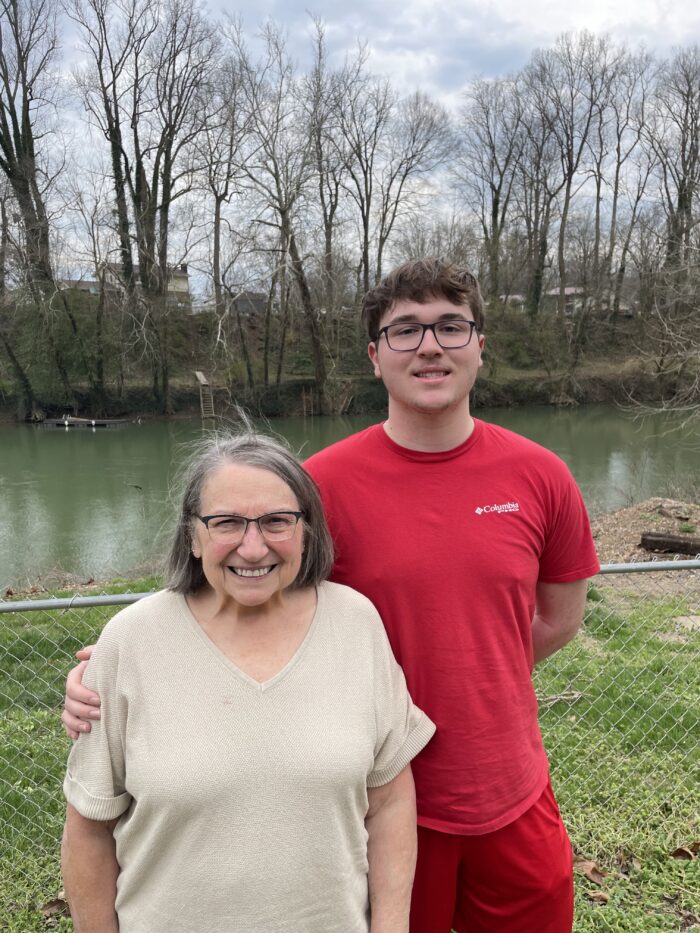
Photo Credit: Trey Kay/West Virginia Public Broadcasting
“I’m conflicted…There’s plenty of reasons for me to stay but there’s plenty of reasons for me to go. … Young people are leaving because we want better opportunities. We want a state that actually will take care of the surrounding towns to make it look better. … Really, that’s my main thing. Opportunities and jobs. That’s what West Virginia really needs to keep people and make people want to stay.”
— Braxton Halstead
“He had a hard time as a freshman in high school. His grades weren’t very good and he thought he had the grade point average to play baseball and he made the baseball team. But of course, the coach checks GPAs and he was just a little bit short. He didn’t have the grades to play and that crushed him. … And he’s just excelled so and shown such an interest in it. And it’s really brought him around too, because it’s built confidence for him.”
— Joey Halstead

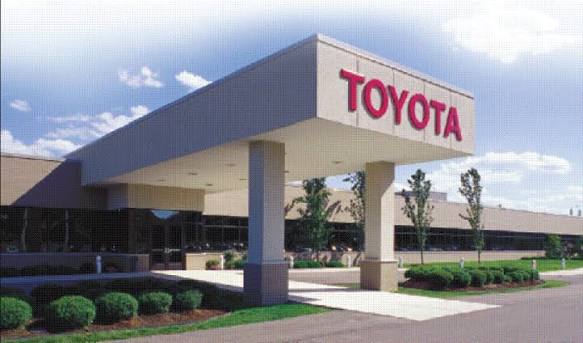
Photo courtesy of the Charleston Area Alliance


Courtesy
Learn more about the Toyota’s 4T Academy WV program.
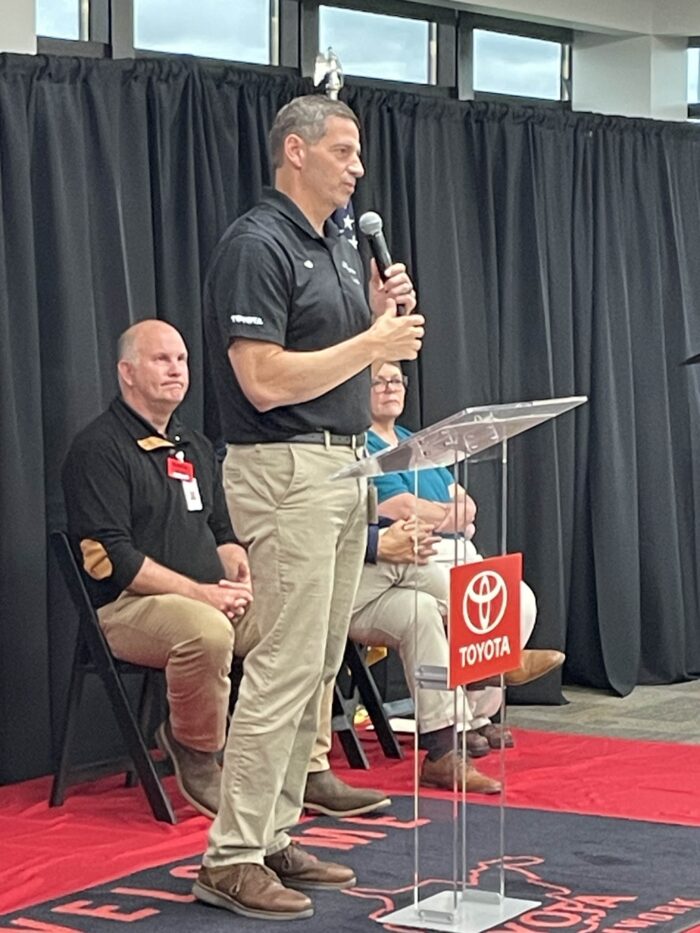
Photo Credit: Trey Kay/West Virginia Public Broadcasting
“I love telling stories. During the signing event, especially when we first added Putnam County, I met with some students that are in high school that are literally two miles from the plant. And I asked them, ‘Hey, you know, growing up, did you ever think about coming to work at Toyota before this program came along?’ And every single one of them said, ‘Nope, never thought of it.’ But here’s this big plant that’s literally two miles from their high school, but the difference was they didn’t understand what was happening inside the plant. So part of this recruiting process is they get a chance before they even commit to the program to be able to come into the plant and see what we do.”
— David Rosier
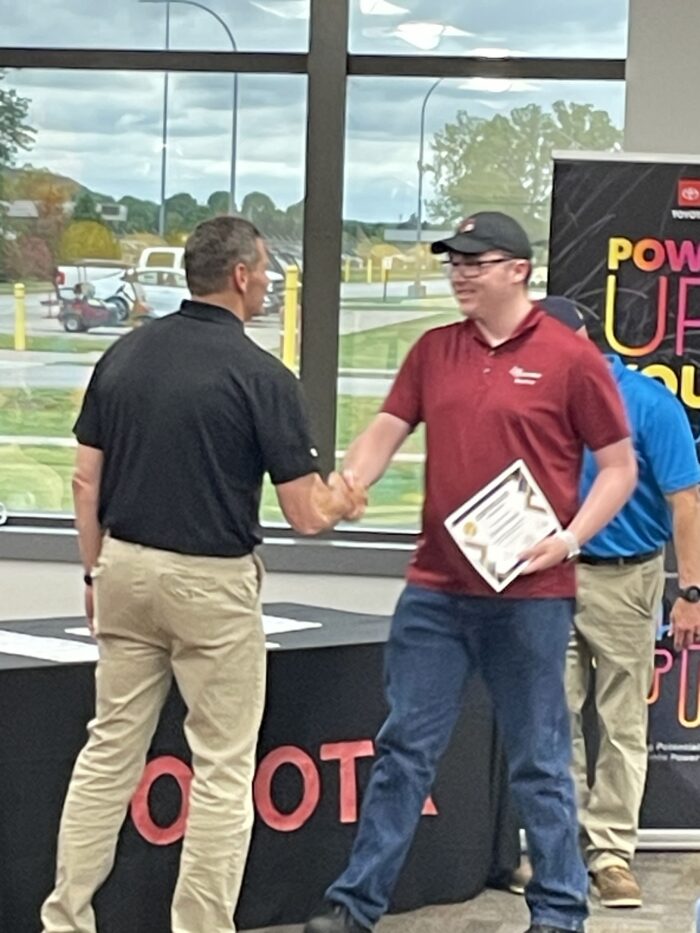
Photo Credit: Trey Kay/West Virginia Public Broadcasting
“Before I told you I had no clue what I wanted to do after high school. And this gives me the chance to even, like, I could obviously stay here and continue to do what I’m doing right now. Or I could go out of state and apply to other Toyota plants there and just have a similar opportunity in a better place.”
— Braxton Halstead
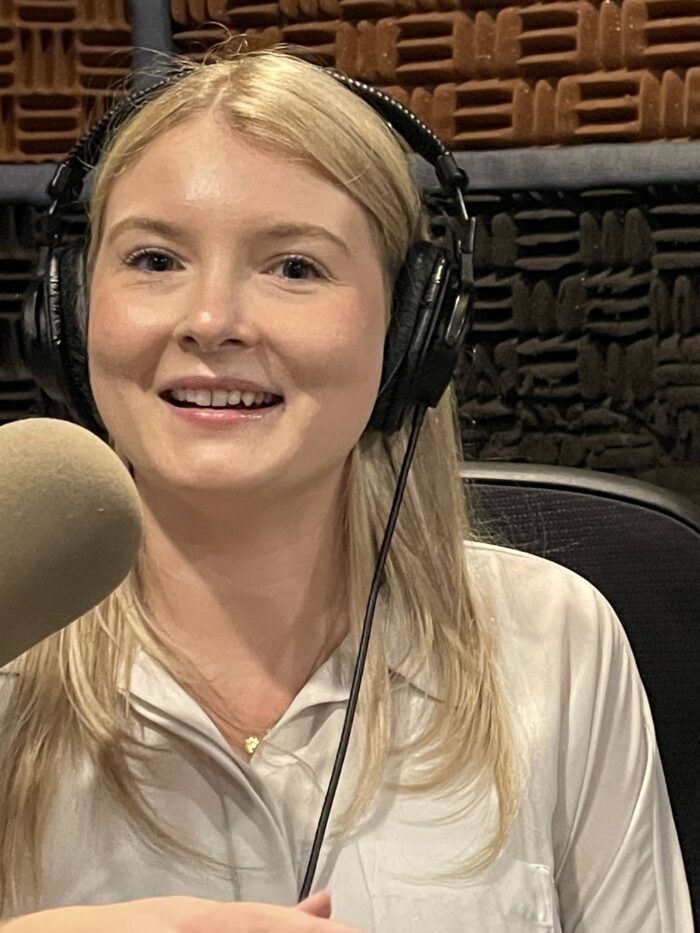
Photo Credit: Trey Kay/West Virginia Public Broadcasting
“When I was graduating college, trying to find a job [was a challenge]. I always saw like all these people and I was like, why? … There’s so many people that have these really cool jobs in West Virginia and they do these great things and they’re doing really well for themselves, for their families. But all these other people were leaving because they say there’s nothing. And I’m like, oh, well there has to be. … And then I tried looking. And it was like nothing.”
— Lilly Barickman

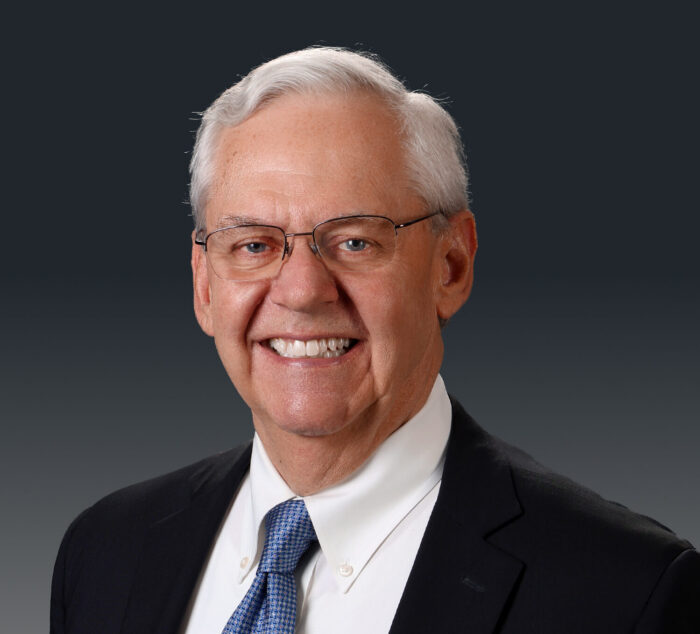
Photo courtesy of the West Virginia Chamber of Commerce
“North Carolina found itself in a very similar place, probably I’m going to just say roughly in the 1960s. North Carolina still had tobacco wealth and North Carolina had banking wealth. And North Carolina had textile wealth. … But they looked around and they said it’s not gonna last. … We’ve got to make investments. And so what did they do? They made investments in air service. They made investment in roads and highways. Importantly, and very importantly, they invested in their schools and in higher education.”
— Steve Roberts
Learn more about West Virginia Chamber of Commerce.

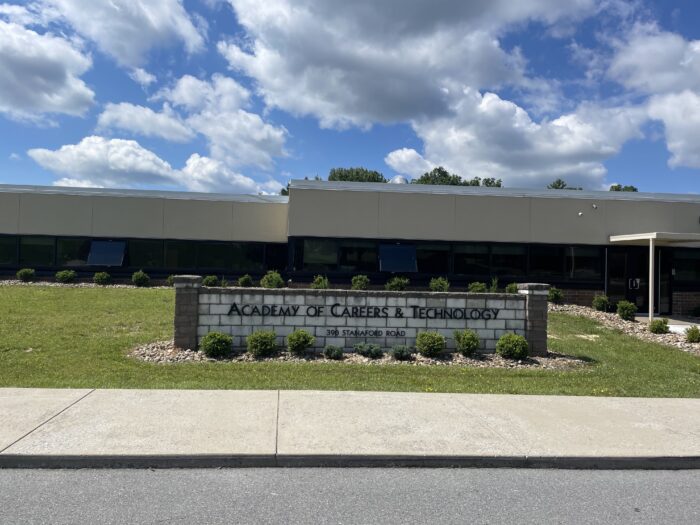
Photo Credit: Trey Kay/West Virginia Public Broadcasting
Learn more about Academy of Careers and Technology.
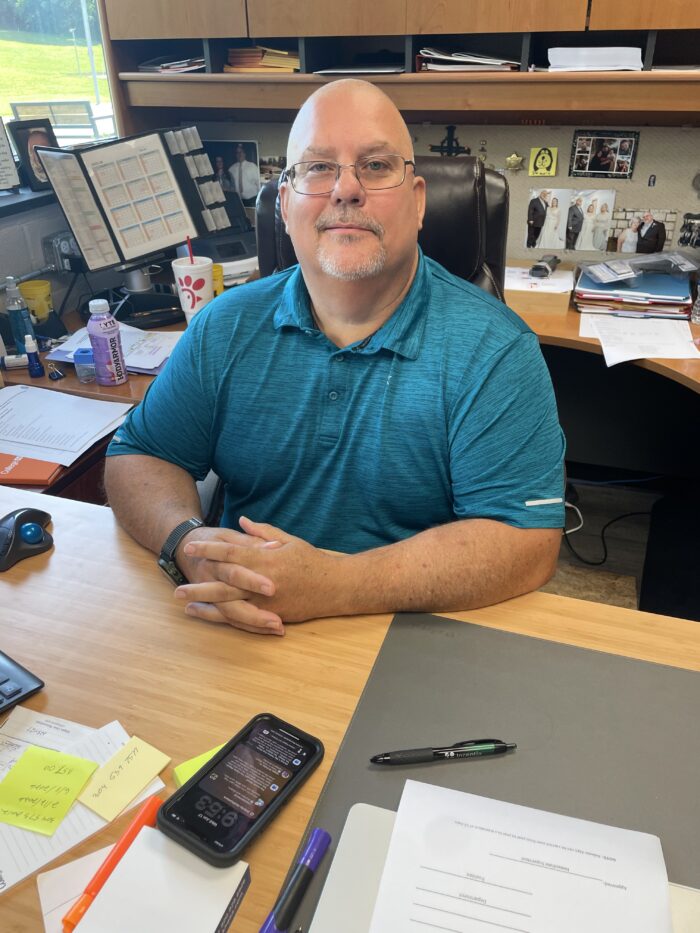
Photo Credit: Trey Kay/West Virginia Public Broadcasting
“That industry [project electrician] is a traveling industry. So you go where the work is, but you always come back home. You’re just a traveling worker is what you do. So West Virginia has always been my home. It’s never really changed from that. … I think most people want to stay in West Virginia if they’re from here and can. … But I think the majority of people stay close if they can.”
— Kevin Bolen
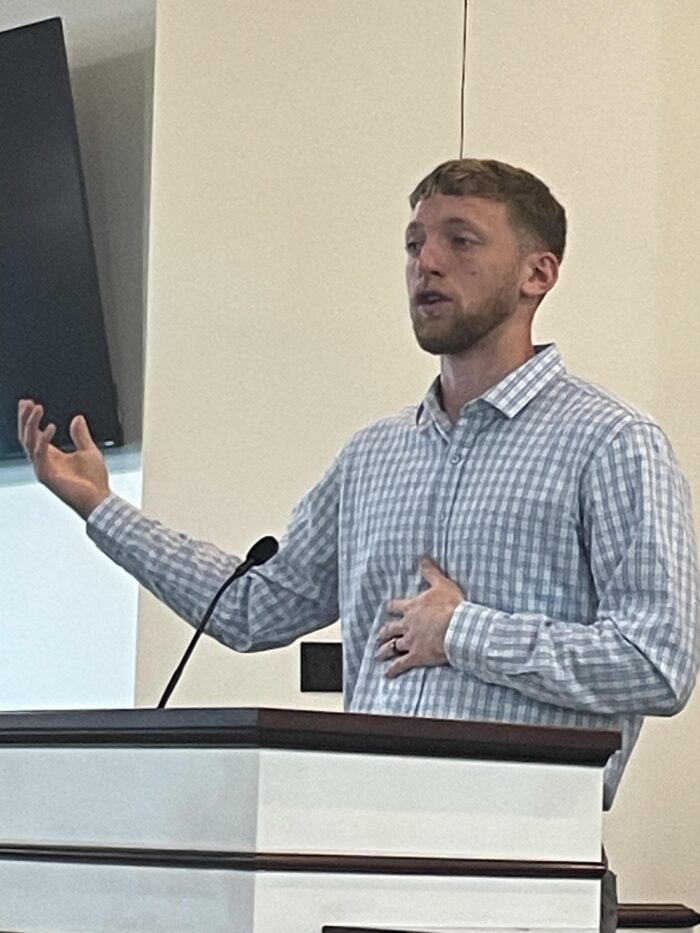
Photo Credit: Trey Kay/West Virginia Public Broadcasting
“We had friends when I was growing up in high school that would always say things like can’t wait to get out of here. They were looking for elsewhere, something probably new, something maybe exciting and following that ‘grass is greener’ trap. … If you have a mind to do it, you can make something out of anything. You have to have a mind to see it, but then character to stick through. … There’s challenges everywhere.”
— Isaac Rinehart
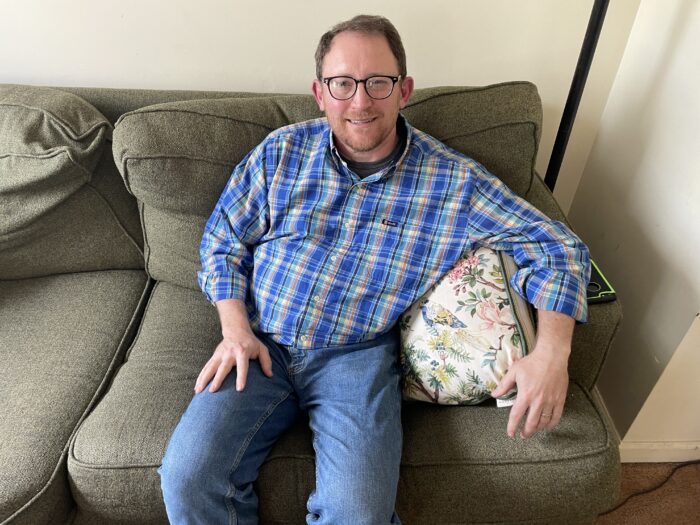
Photo Credit: Trey Kay/West Virginia Public Broadcasting
“The leaders in West Virginia put all their eggs in the coal basket and it turned rotten and they didn’t make allowances for what else to be a part of. … Mechanization really hurt the area too. … It created higher paying jobs, but it required less people. So again, that was just something else they needed to change gears for, to provide employment for the people that mechanization would force them to have to change.”
— John Rinehart
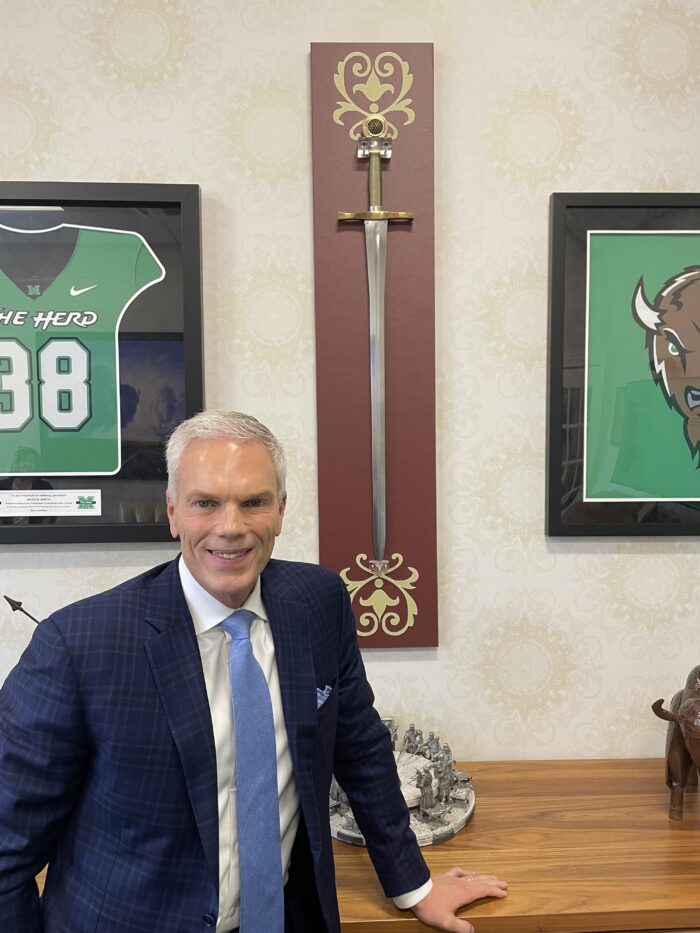
Photo Credit: Trey Kay/West Virginia Public Broadcasting
“‘That which you seek cannot be found. It must be made.’ That’s why Excalibur hangs on this wall. Take it from a guy who spent the first 22 years of his life in Kenova, West Virginia, dreaming of a way out, and every day after that dreaming of a way home. I’ve lived in the greatest places that people ever thought they wanted to live. I’ve lived in New York, I’ve lived in Dallas, Texas, I’ve lived in Atlanta, Georgia, I lived in San Francisco, I lived in San Diego, and you know what? I wanted to come home. Every day, I wanted to come home. … So why leave? Why not create the greatest thing right here? … I lost 36 years wandering in the wilderness. Come home.”
— Brad D. Smith
Learn more about Brad D. Smith.