Your browser doesn't support audio playback.
In this encore episode of Us & Them, host Trey Kay shares the story of a simple song written more than 250 years ago that now has a profound and universal legacy.
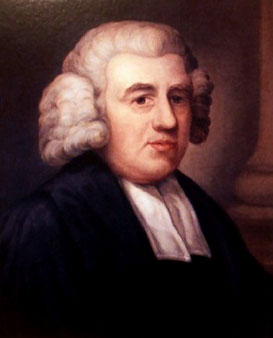
John Newton first wrote the hymn Amazing Grace to connect with Christians and over decades it’s been sung to a number of melodies. However, in addition to its religious origins, it is now a popular folk song and a civil rights anthem which transcends divisions and speaks to people across time and faiths about shared pain, hope and forgiveness.
Newton’s creation may have been inspired by his past as a slave and captain of a slave ship. But today, Amazing Grace is a comforting song of redemption that helps many recover from dark times and see ahead to the light.
This episode of Us & Them is presented with support from the CRC Foundation.
Subscribe to Us & Them on Apple Podcasts, NPR One, RadioPublic, Spotify, Stitcher or wherever you get your podcasts.

Courtesy

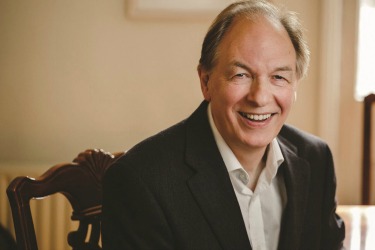
Photo courtesy of Ultimato
“He [Newton] has to strap himself to the helm to avoid sliding down the deck. He’s surrounded by darkness, a raging storm and the very real possibility that the ship is going to go down. This isn’t a false alarm — it’s the real thing. It’s at that moment that he becomes a Christian, vowing that if his life is saved, he will pursue a relationship with God.”
— Steve Turner, describing John Newton’s near-death experience aboard a slave-trading ship at sea

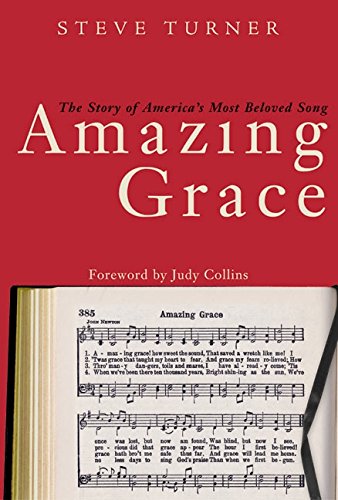
Learn more about Steve Turner’s book Amazing Grace: the Story of America’s Most Beloved Song.
“You know, Obama sings at the church in Charleston after the murders … it’s sung when policemen have funerals in New York. It just seems kind of like an all purpose, hopeful song … that’s a very important part of the American mentality, you know, that you can start again, that you come from nothing and succeed, and you can overcome a bad or dubious or hampering past. So all those things are in the song.”
— Steve Turner, on how “Amazing Grace” has come to mark moments of public mourning and American reinvention
Watch former President Barack Obama sing “Amazing Grace” at a 2015 memorial service honoring the nine people killed during a Bible study at Mother Emanuel AME Church.
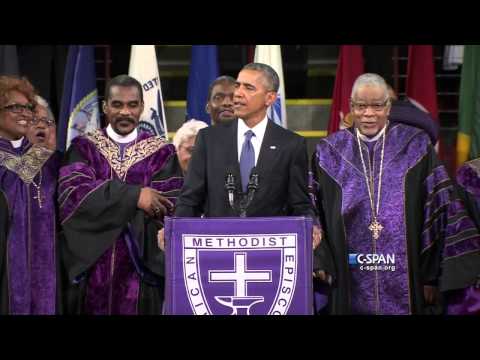


Photo courtesy of Baptist Women in Ministry
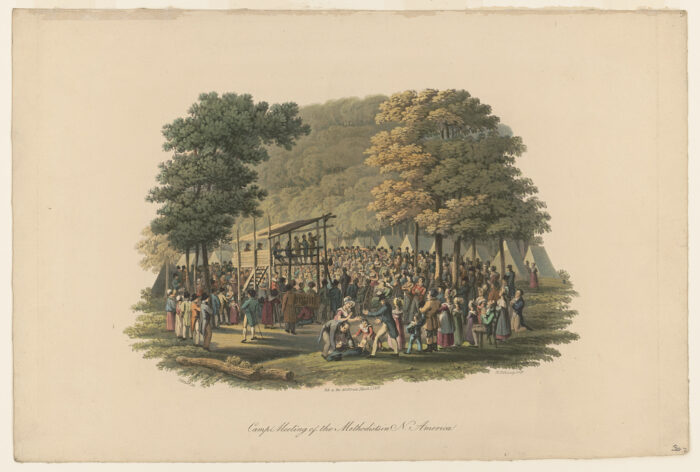
“[Amazing Grace] was not very well known, not considered, in England, to be one of [Newton’s] finest hymns, but it came over to the United States and picked up some usage and popularity in the revival meetings of the Second Great Awakening.”
— Deborah Carlton-Loftis

Courtesy of the Library of Congress
“We have documented that both free black persons and white people were together for these outdoor revivals and there was a lot of interchange of musical styles.”
— Deborah Carlton-Loftis

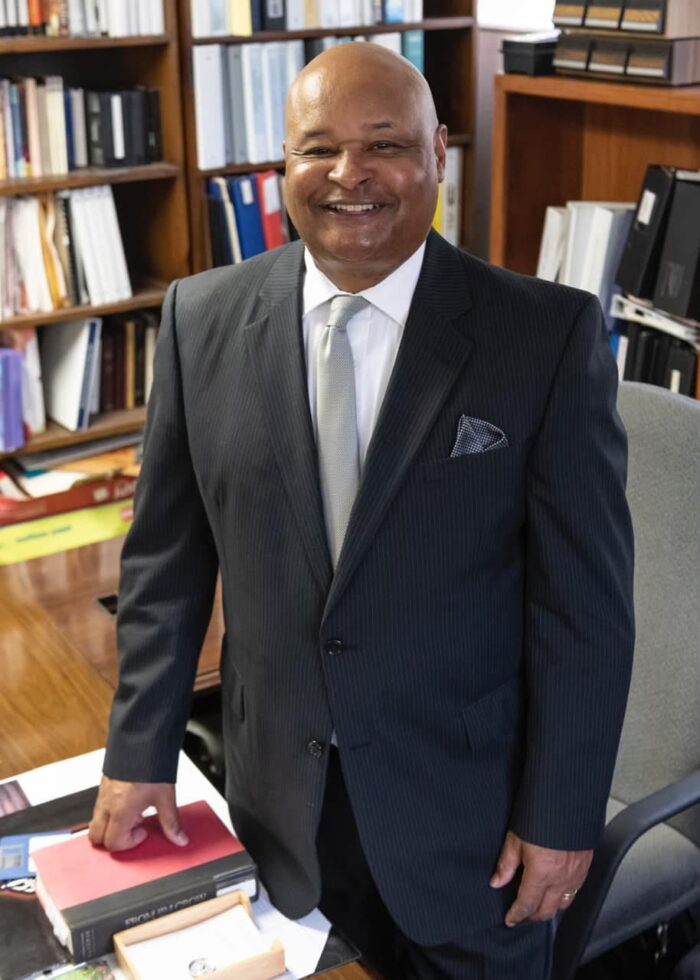
Photo courtesy of Rev. Matthew J. Watts
“Well, I think that the song would have had a great attraction for the African slaves that were in shadow slavery, in bondage … Amazing Grace would have spoke to their desire for an experience of freedom, of one day seeing God face-to-face, of being with him for all of eternity, and no longer subjected to the type of cruel treatment they experienced during slavery.”
— Matthew J. Watts, pastor of Grace Bible Church in Charleston, West Virginia

Courtesy of the Smithsonian

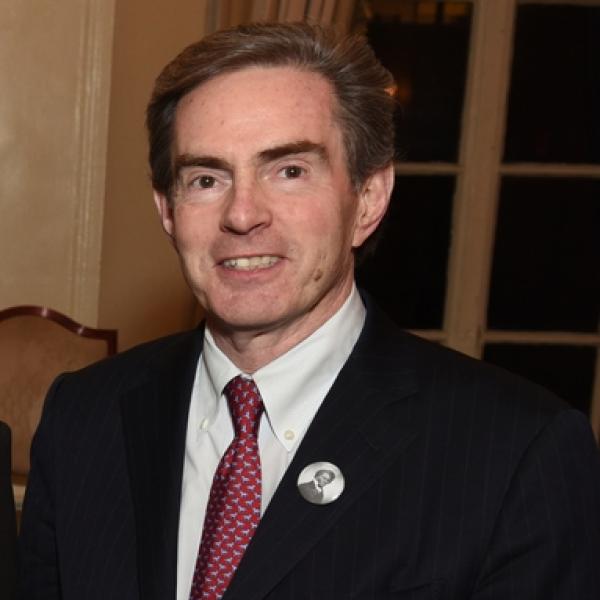
Photo courtesy of Jim Basker
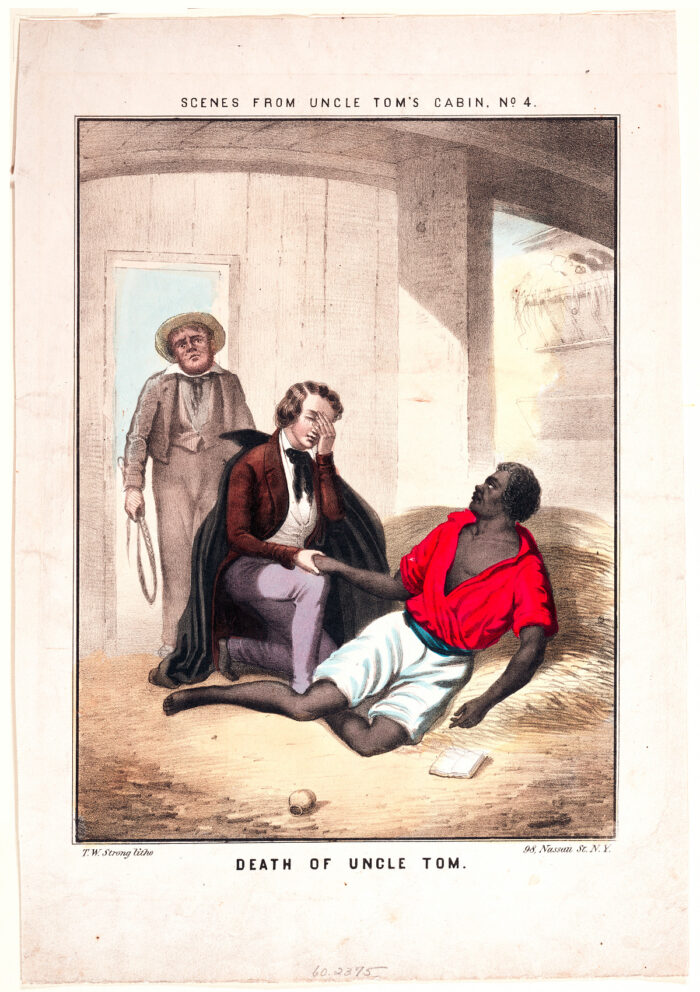
“It’s a moment of fusion between traditional, you might say, high society white culture and popular culture, black culture, revival evangelical culture … when [Harriet Beecher Stowe] reached into that scene, and this is a moment of fusion between whites and blacks, it’s a white woman author creating one of the most memorable black characters in all of 19th century literature, she reached for what would be the paradigmatic song from his soul that he might sing on his deathbed, and it’s Amazing Grace.”
— James G. Basker
“[The words of Amazing Grace] appeal without any narrowness. There’s no specific condition, there’s no specific religious faith, there is no specific cultural context. It’s just about that thing that human beings share, which is pain … the imaginative yearning … we’re able to imagine and to yearn for joy and peace, for relief from the miseries of this world … it’s the use of the human imagination, both the creative one that made the song and the receptive interactive one that can identify with it, that lifts us up.”
— James G. Basker, on why “Amazing Grace” resonates across cultures, faiths and moments of suffering


Photo by Shore Fire Media
Listen to Judy Collins’ “Amazing Grace.”


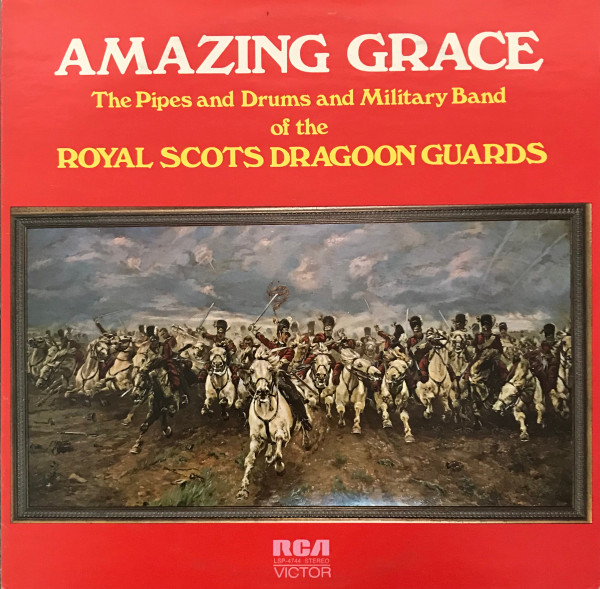
Courtesy
Listen to The Military Band of the Royal Scots Dragoon Guards – “AMAZING GRACE.”

“I can hear it, you know, I live on the Upper West Side and about a block from me is the Firefighters Memorial on Riverside Drive … every once in a while we hear the bagpipes coming up from the river and we hear them playing ‘Amazing Grace,’ and we see like 5,000 firefighters out there in the street with their uniforms. It’s an amazing thing. It’s very moving … it belongs in these situations because it is regenerating the idea of hope and forgiveness.”
— Judy Collins, describing hearing bagpipes play “Amazing Grace” during Sept. 11 commemorations in New York City
Watch a 9/11 Memorial Ceremony- Moment of Silence-Amazing Grace Bagpipes.