


Your browser doesn't support audio playback.
West Virginia continues to lose young people. In the past five years, the state’s population has dropped by nearly 1.5% — the largest decline in the nation. Only two of the state’s 55 counties saw population growth, and demographic projections from West Virginia University anticipate further population loss in the years ahead.
In the second of two Us & Them episodes exploring young West Virginians considering their future, host Trey Kay talks with those looking beyond the state’s borders — along with some who remain deeply conflicted about leaving.
In some cases, Kay talks with people who don’t see a way to follow their chosen career path in West Virginia. Others are looking for greater social, cultural or political diversity. And some love the state deeply but question whether the infrastructure, opportunities and communities they will need are available to them.
Their choices raise a larger question: What would it take for West Virginia to convince its young people they are needed here?
This episode of Us & Them is presented with support from the Greater Kanawha Valley Foundation’s Narrative Change Grant.
Subscribe to Us & Them on Apple Podcasts, YouTube Music, Spotify, the NPR app and wherever you get your podcasts.

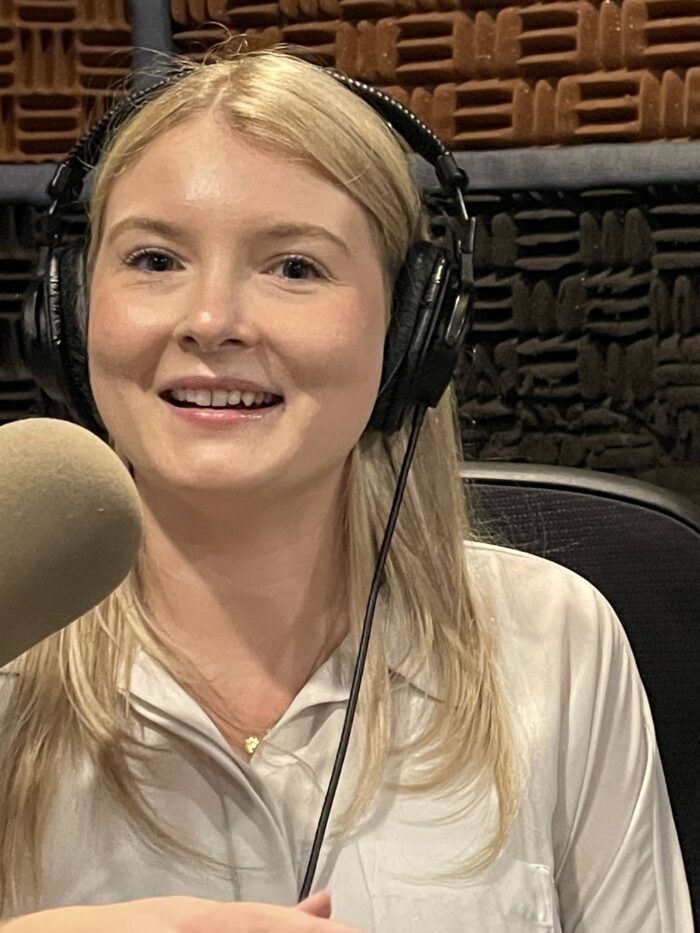
Photo Credit: Trey Kay/West Virginia Public Broadcasting
“I did the math somewhat recently and on my dad’s side I believe I’m about an eighth-generation West Virginian, so it goes way back. … I am building a career here. I’d love to be a part of that legacy — the legacy that is West Virginia. You look at so many families that have that generational history right here in the state.”
— Lilly Barickman
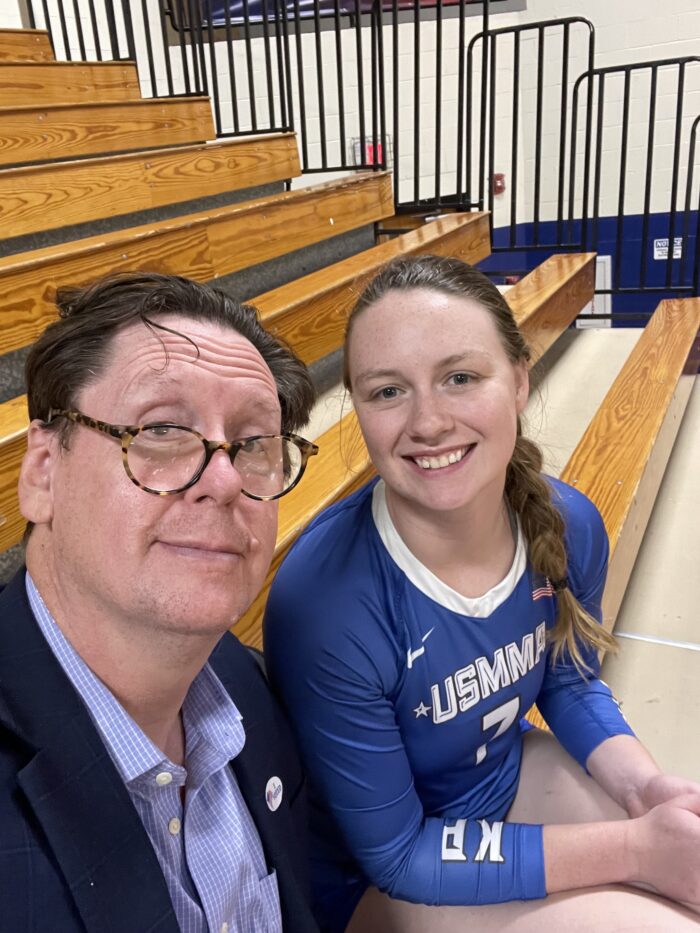
Photo Credit: Trey Kay/West Virginia Public Broadcasting
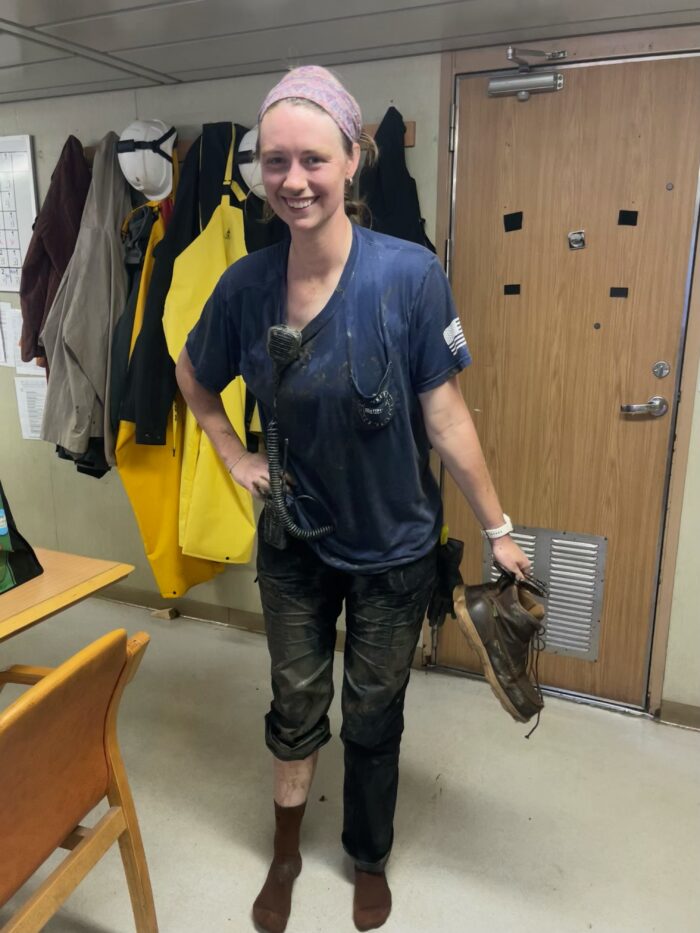
Photo courtesy of Elizabeth Kay
“No one has ever asked me to, to come back or stay when I was leaving. … They were, everyone was kinda like, ‘Yeah, go see the world.’ And I’ve, I haven’t… That’s a really interesting way you put it ’cause I have never thought of it that way. But yeah, we’re, we’re kinda—we’re ran up through the pipeline, we’re spit out, and everyone’s like, ‘Go, go have a great life somewhere else.’ … If somebody asked me to come back and asked me to, like, have a life here and they thought that I would be an asset to the community, I would, I would consider it.”
— Elizabeth Kay


Photo courtesy of the West Virginia Chamber of Commerce
“Investments are really all about the future. They’re not so much about the present. I think in West Virginia, leaders were reacting to either the past or the current, but were not really — some leaders — thinking about the future. Because we lived in, in the period of the 1950s and ’60s and into the ’70s, West Virginia had a bifurcated economy. We had the haves and the have-nots, and the haves were doing very well.
I think the reason you and I are having this conversation today is because the haves are now concerned about what kind of state we have. One of the reasons we can perhaps get some things done in West Virginia that we couldn’t get done previously is because the people who basically are in charge are looking around and saying, ‘Oh my gosh, what happened? People are leaving. We’re not seeing the growth we wanna see. What can we do to turn that around? What can we do to change that?’”
— Steve Roberts

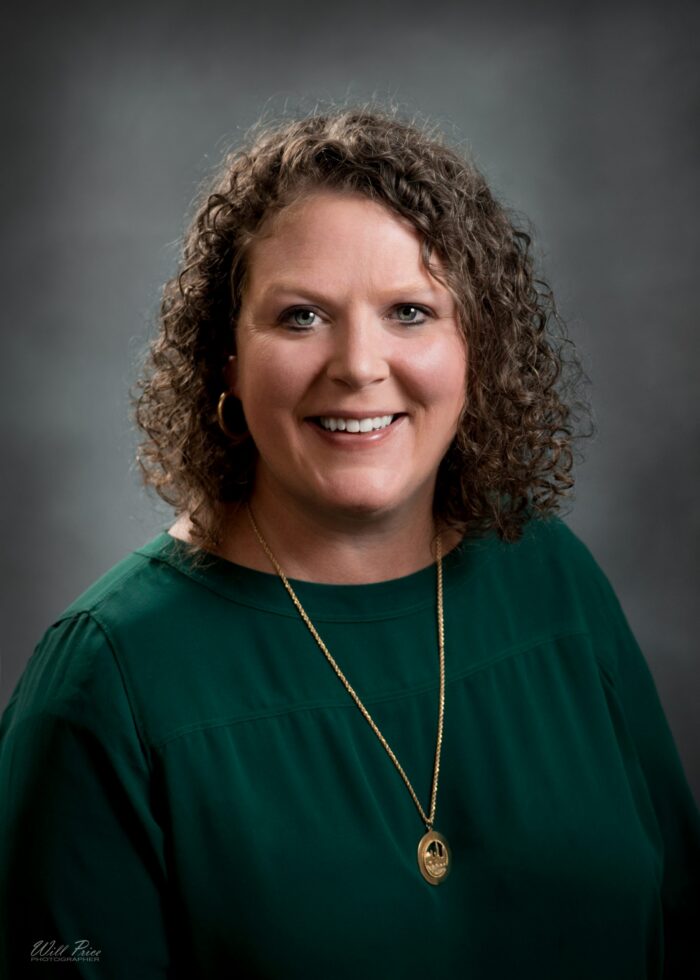
Photo courtesy of the West Virginia Higher Education Policy Commission
“I mean, I think it would be wonderful if all of the adults in the state of West Virginia had those conversations with students. I mean, I really think that that is a missing, a missing piece. I think we have a lot of kids who are connected to their phones and their devices, and I think a lot of those kitchen table conversations that used to happen don’t necessarily happen anymore. I think that, as I mentioned before, I think that as adults, we sort of have a duty to say to them, you know, ‘Here are all of your opportunities, and tell me what are your, what are your sticking points? What makes you not want to stay? What are, you know, what are the things that you’re looking at that you think sound better someplace else?’ And then see if we can do something about changing West Virginia to make it be a place that maybe more of them want to stay.”
— Sarah Armstrong Tucker
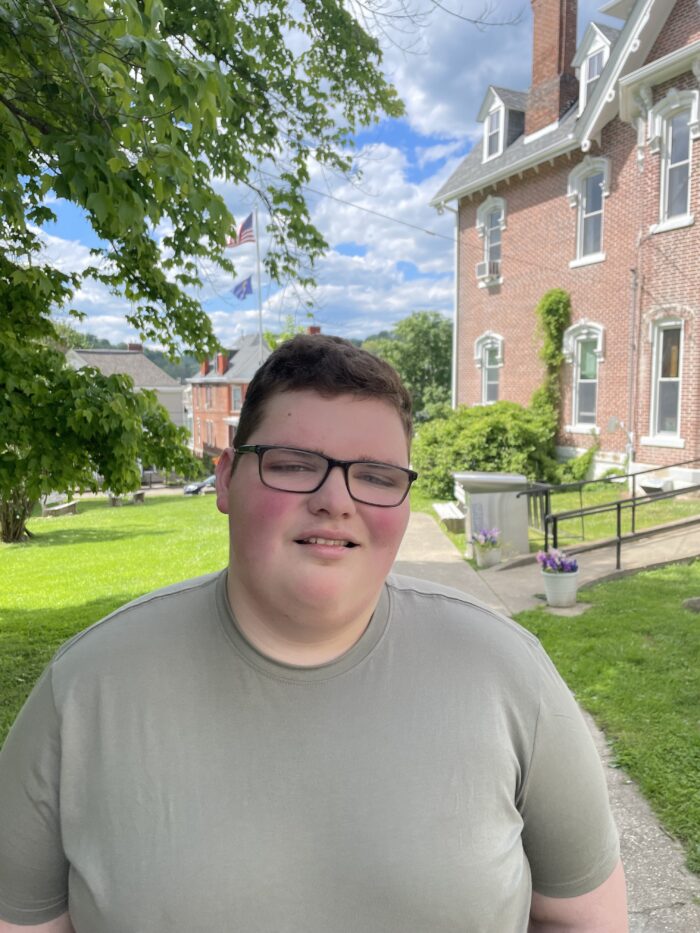
Photo Credit: Trey Kay/West Virginia Public Broadcasting
“If you’re looking at it from a very, very rational, logical point of view, there’s very few reasons to stay in West Virginia, and I think that that’s horrible. Last time I spoke to you over the phone, I described it as like a bad relationship where it’s like you don’t wanna leave because you love it, but you probably should leave.
I could see myself staying here. I could see myself going. I don’t think outside the Appalachians, but somewhere like western Maryland, southwestern Virginia, kind of southwestern Pennsylvania, the broader area. I could see myself going somewhere like that.”
— Chase Moss
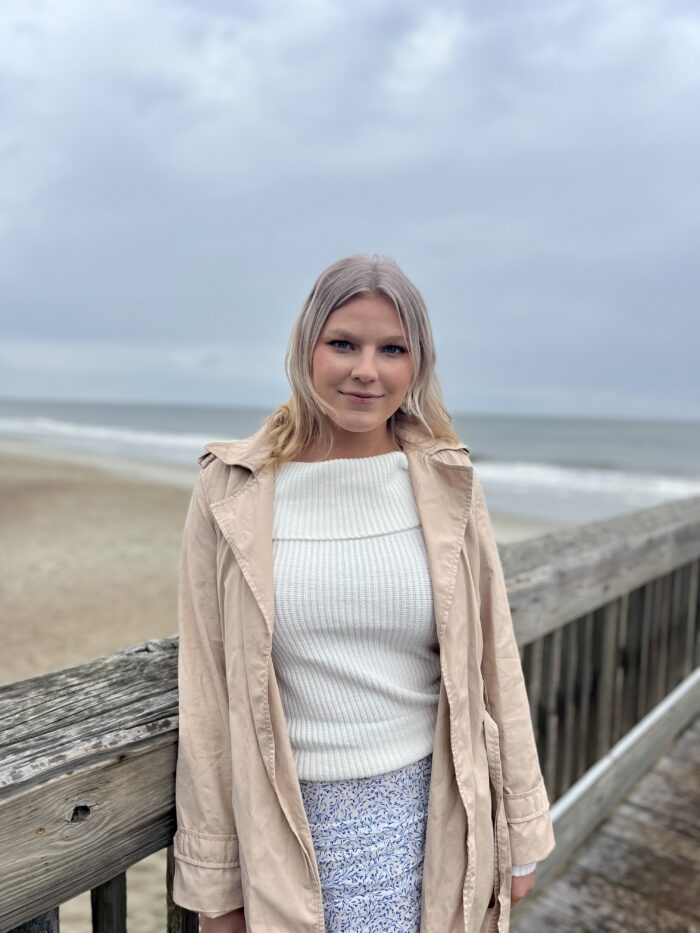
Photo courtesy of Catherine Ellis
“Although it would be very difficult to leave my family, I feel like I’ve always been raised to want to follow and do whatever I wanted to do, and I think there’s not a lot of opportunities for what I want to do here in West Virginia. I want to experience different cultures. I want to live in different places. There’s not a lot of variety in West Virginia to experience that, and I also want more job opportunities. I really wanna work in project management. I like to be a part of something bigger.”
— Catherine Ellis