



Your browser doesn't support audio playback.
Housing is becoming less affordable for many people. As a result, more cities and towns grapple with growing homeless populations. Hundreds of cities across the nation now have laws that prohibit camping on public property to discourage encampments and illegal activity.
On this episode of Us & Them, host Trey Kay moderates a community conversation in Morgantown about that city’s approach to housing. Morgantown is one of five West Virginia cities with a public camping ban. Local advocates say there are twice as many homeless people as there are shelter beds available.
This year, lawmakers did not have the votes to pass a statewide camping ban, but some leaders say that’s a better approach than patchwork local measures.
This episode of Us & Them is presented with support from the CRC Foundation.
Subscribe to Us & Them on Apple Podcasts, YouTube Music, Spotify, the NPR app and wherever you get your podcasts.


Photo Credit: Mountaineer Indivisible Citizens Action Group
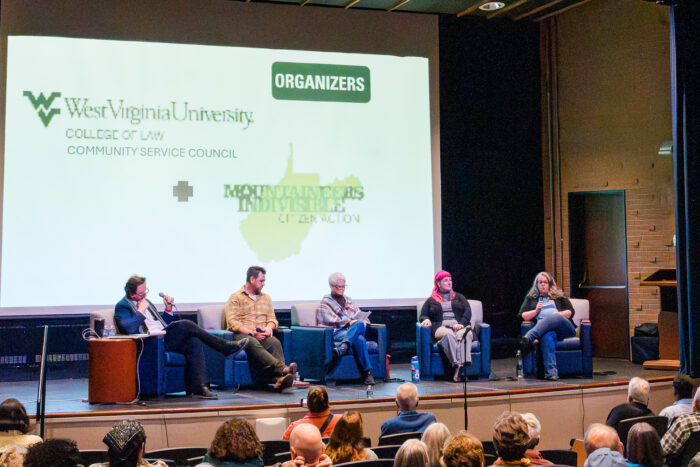
Photo Credit: Mountaineer Indivisible Citizens Action Group


Photo Credit: Mountaineer Indivisible Citizens Action Group
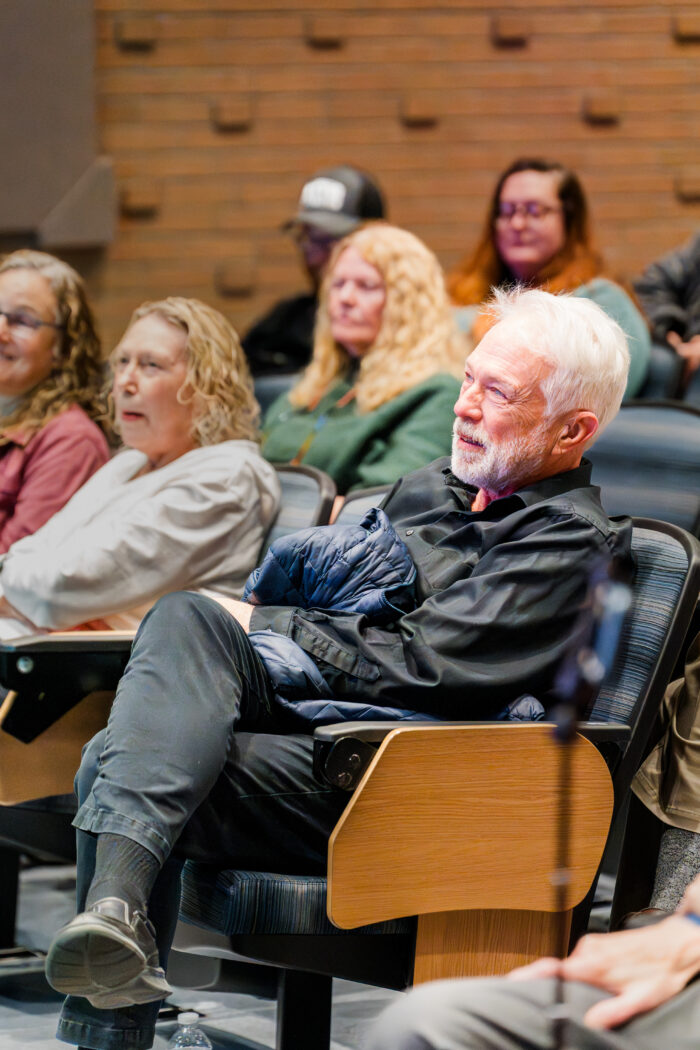
Photo Credit: Mountaineer Indivisible Citizens Action Group
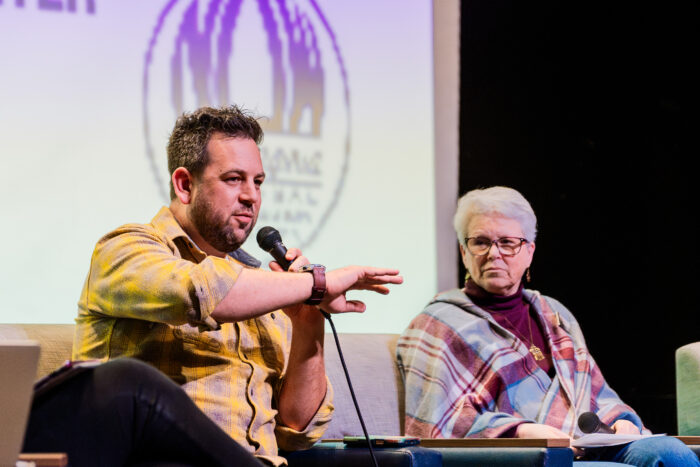
Photo Credit: Mountaineer Indivisible Citizens Action Group
“We’re seeing a report card on how well our society is doing at caring for other people, and we’re not getting a very good grade. Instead of dealing with that fundamental problem, a lot of people don’t want to examine it because it requires work, introspection and a recognition that decades of bad policy have brought us here.”
— The Rev. Zac Morton
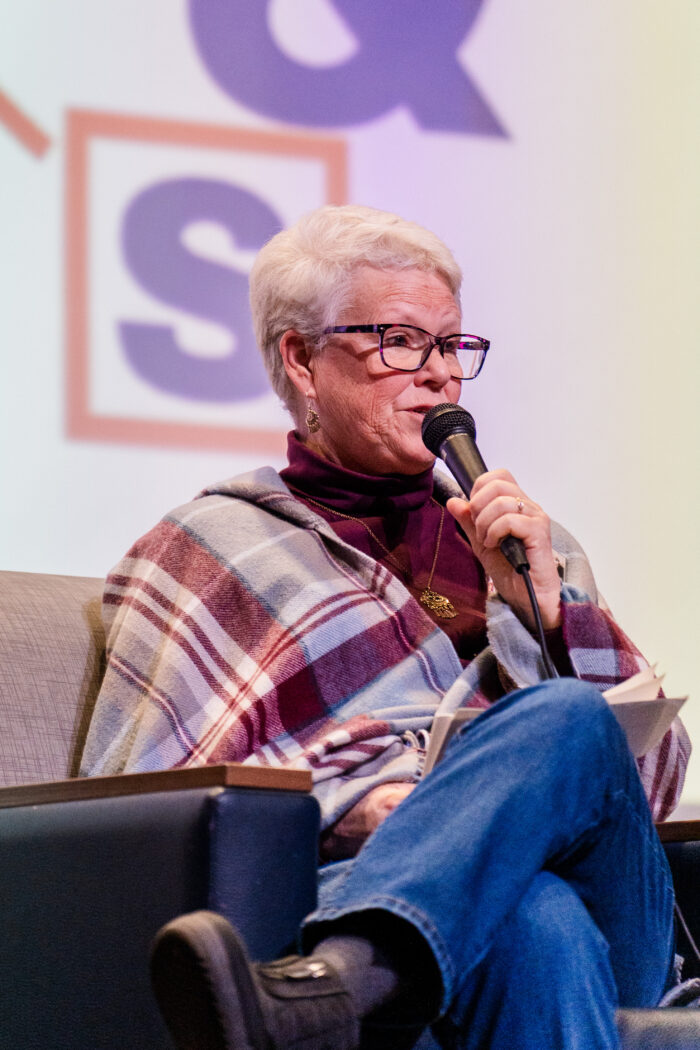
Photo Credit: Mountaineer Indivisible Citizens Action Group
“Every single person who is unhoused is unique. There is no one way people behave and no single reason people end up in this situation, other than the fact that we do not have affordable, low-income housing. Once someone becomes unhoused, that experience itself is often traumatic, making it even harder to do everything required to get back into housing.”
— Laura Jones
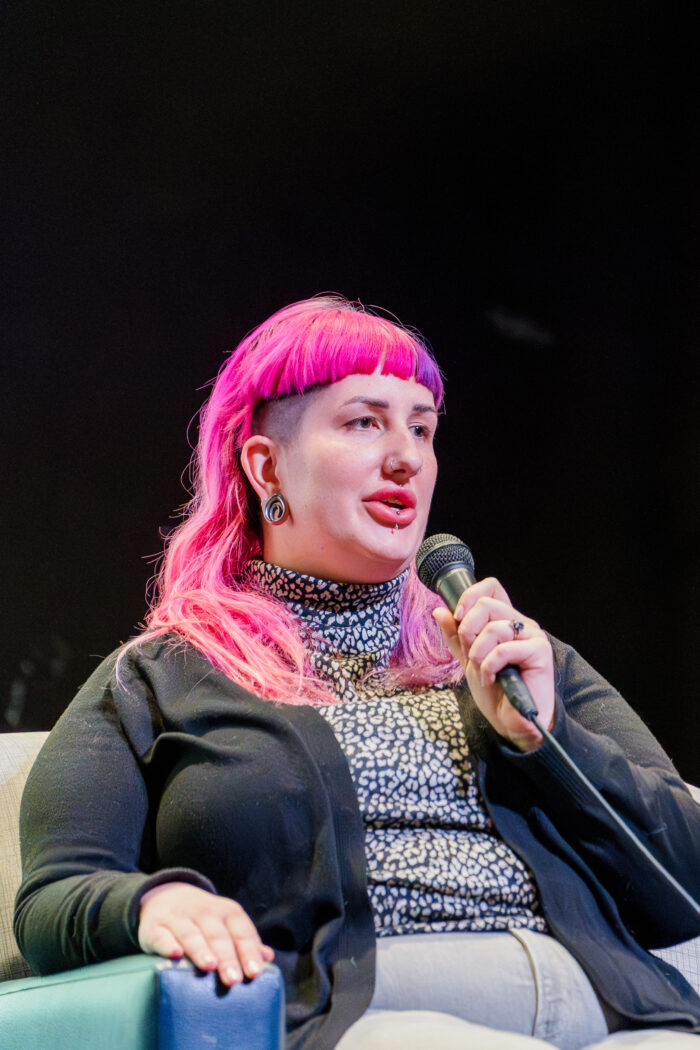
Photo Credit: Mountaineer Indivisible Citizens Action Group
“A lot of the things people see that make them uncomfortable are symptoms of homelessness. If we educate ourselves and meet people, we humanize them. Once you meet people, they are not scary anymore. They are people. They are your neighbors, your community members and your friends.”
— Erin Shelton
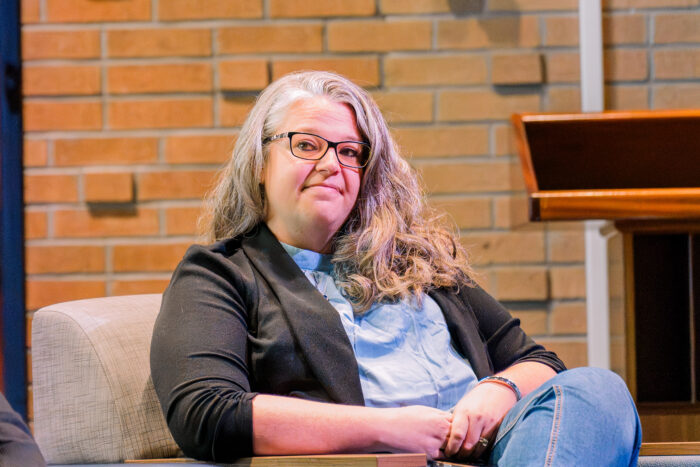
Photo Credit: Mountaineer Indivisible Citizens Action Group
“These policies were made without an understanding of the consequences. There was no plan that said, ‘We are going to put this camping ban in place, and these services will be available instead.’ There was none of that. It was simply, ‘We’re done.’”
— Mindy Thorne

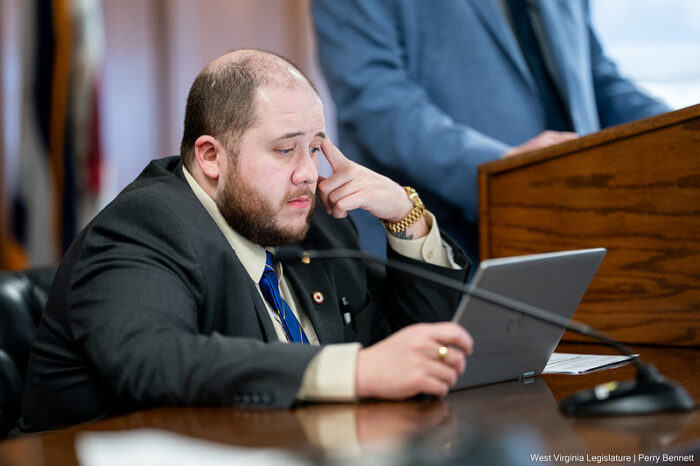
Photo Credit: Perry Bennett/WV Legislative Photography
“I don’t think that more people jailed is necessarily a measure of success. But if vandalism goes down, if syringe litter decreases, if people stop having their homes broken into and their packages stolen, I think those are indicators that the camping ban would be working.”
— Del. Geno Chiarelli
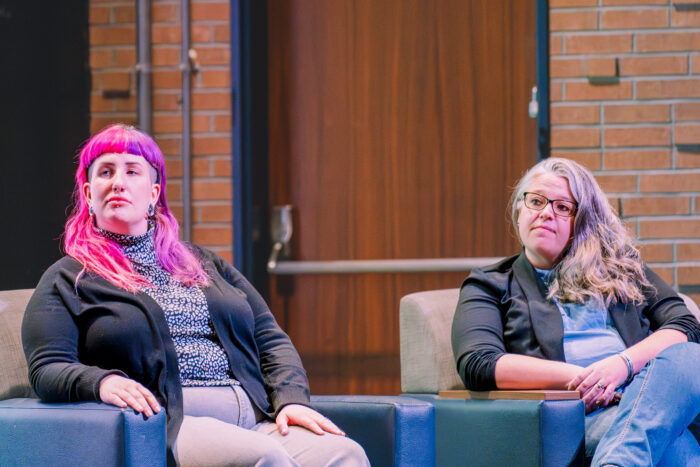
Photo Credit: Mountaineer Indivisible Citizens Action Group
“When elected officials make policy in response to a community’s discomfort and fear of people experiencing homelessness, they are not actually responding. They are reacting.”
— Erin Shelton

Photo Credit: Mountaineer Indivisible Citizens Action Group
“Part of the homelessness question is who we are willing to see in our communities, who we turn away from and what kind of community we want to be.”
— Trey Kay