


Your browser doesn't support audio playback.
On this encore episode of Us & Them, host Trey Kay hears about the challenges to America’s incarcerated population as they re-enter society.
At least 95% of all state prisoners are released after serving their sentence, more than 600,000 people each year. The re-entry process requires essential tasks; accessing identification materials, birth certificates and sometimes social security materials. How well do programs designed to help formerly incarcerated people succeed?
Some people suggest recognizing past traumas may be a powerful step to help people make a new life after they serve their time.
This encore episode of Us & Them received a best documentary award from the Public Media Journalists Association in 2023 and was acknowledged with a public service through journalism award from Virginia’s AP broadcasters.
This episode of Us & Them is presented with support from the West Virginia Humanities Council, the CRC Foundation, the Daywood Foundation and The Just Trust.
Subscribe to Us & Them on Apple Podcasts, NPR One, RadioPublic, Spotify, Stitcher and beyond.

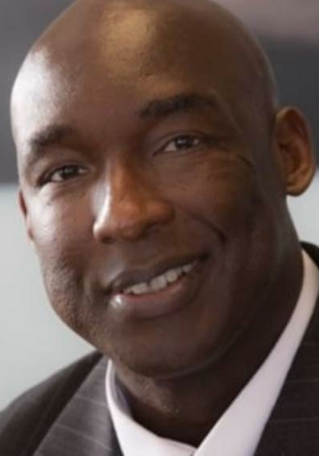
Photo courtesy of C4 Innovations
“One thing that America does really well is incarcerating people — we incarcerate more people than any other country in the world. However, we do a terrible job of reentry. Reentry doesn’t begin 60 days or 90 days before release. The system should be working on preparing me for release no matter how much time I have. We’re not responsible for how an individual goes into prison, but as human beings, as taxpayers, we should be concerned about how they come home.”
— Daryl McGraw, criminal justice reform advocate and founder of Formerly Inc., a reentry organization led by people with lived experience in the justice system.

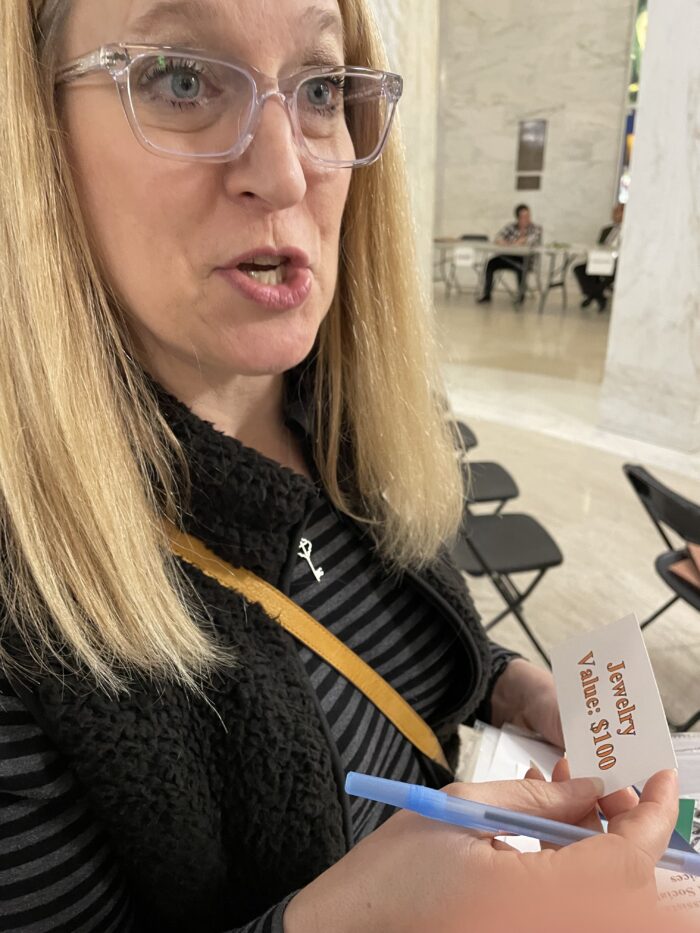
Photo Credit: Trey Kay/West Virginia Public Broadcasting
“I’m so used to being on the other side of this… it’s almost enough to make me tear up.”
— Michelle Thompson, director of outreach at Bible Center Church in Charleston, W.Va.

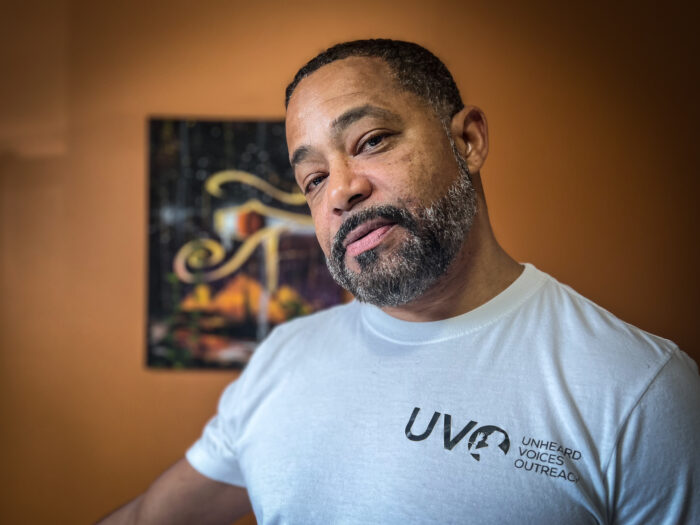
Photo courtesy of Rahim Buford
“Rehabilitation is a misnomer. It implies going back to something. People who go to prison have nothing to go back to — they were never really abilitated. What’s needed is healing and transformation, and the system already knows it’s a revolving door.”
— Rahim Buford, founder of Unheard Voices Outreach and a criminal justice reform advocate who spent 26 years incarcerated in Tennessee
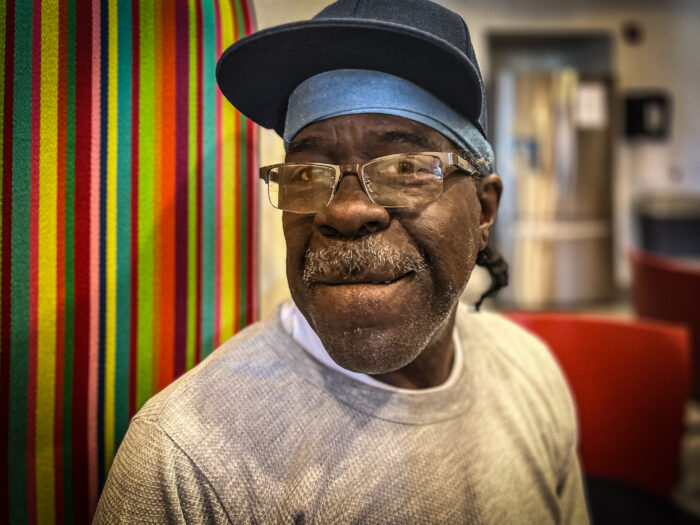
Photo courtesy of Thomas Murphy
“They released me at 56 years old — 31 years, $35. I don’t have no money. Parole board wants fees. How can I pay fees, pay rent, get somewhere to live? … I got good credit. The only thing that’s hurting me — I am a convicted felon.”
— Thomas Murphy, formerly incarcerated for 31 years
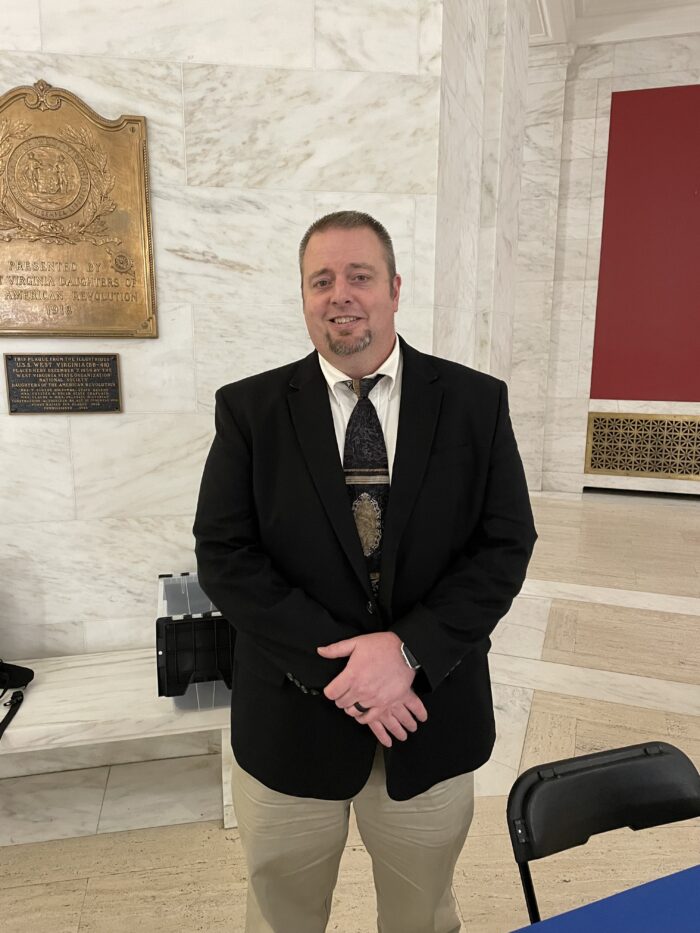
Photo Credit: Trey Kay/West Virginia Public Broadcasting
“In prison, a person only makes about a hundred decisions a day. You’re told when and where to do everything. On the outside, life can mean 30,000 decisions a day.”
— Jeremiah Nelson
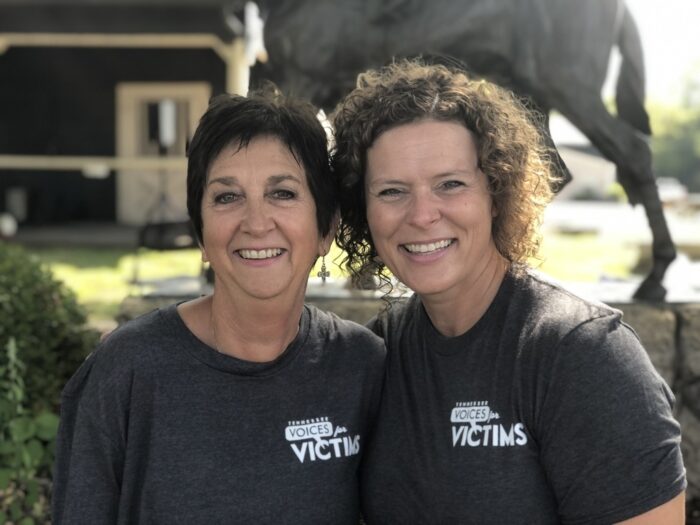
Photo courtesy of Tennessee Voices for Victims
“My sister-in-law, who had been my best friend for 15 years when she was murdered, my whole world turned upside down and nothing was ever gonna be the same again. … I was so angry at the system. I was so angry at people that could do such horrible, despicable things to innocent people that I wanted to prevent that from happening to other people. … The pain that’s caused from a murder is so intense. It’s so unfair. … People that experience homicide just have to learn to live and create a new normal, and it’s hard. … So, like, for me, reentry, none of it’s working right. The problem is traumatic abuse that has been layered on over the years and it’s not been addressed or healed — and we’re not healing it.”
— Verna Wyatt, co-founder, Tennessee Voices for Victims
“We walked in with that same attitude … of we are here to present to you the pain that you have caused. … And then you begin to learn their stories, and you begin to hear their history. … We begin leaving this class looking at each other and just recognizing — what we’re teaching here is a room full of victims … who don’t know it. … I don’t believe that when people leave prison that any of them want to go back. I don’t think that that is ever a goal, but what we see is that revolving door.”
— Valerie Craig, co-founder, Tennessee Voices for Victims