
Your browser doesn't support audio playback.
Children are often described as our future. But in many rural communities across America, pregnant people are traveling farther from home to deliver babies. Since the end of 2020, 124 rural hospitals have closed or announced plans to eliminate their labor-and-delivery units — that’s about two a month. As small hospitals struggle with rising costs and staffing shortages, obstetrics departments are often among the first services to disappear.
In this encore episode of Us & Them, host Trey Kay hears from families living with those changes — and explores what the loss of maternity care could mean for the future of rural towns and communities.
This episode of Us & Them is presented with support from the West Virginia Humanities Council and the CRC Foundation.
Subscribe to Us & Them on Apple Podcasts, NPR One, RadioPublic, Spotify and beyond.

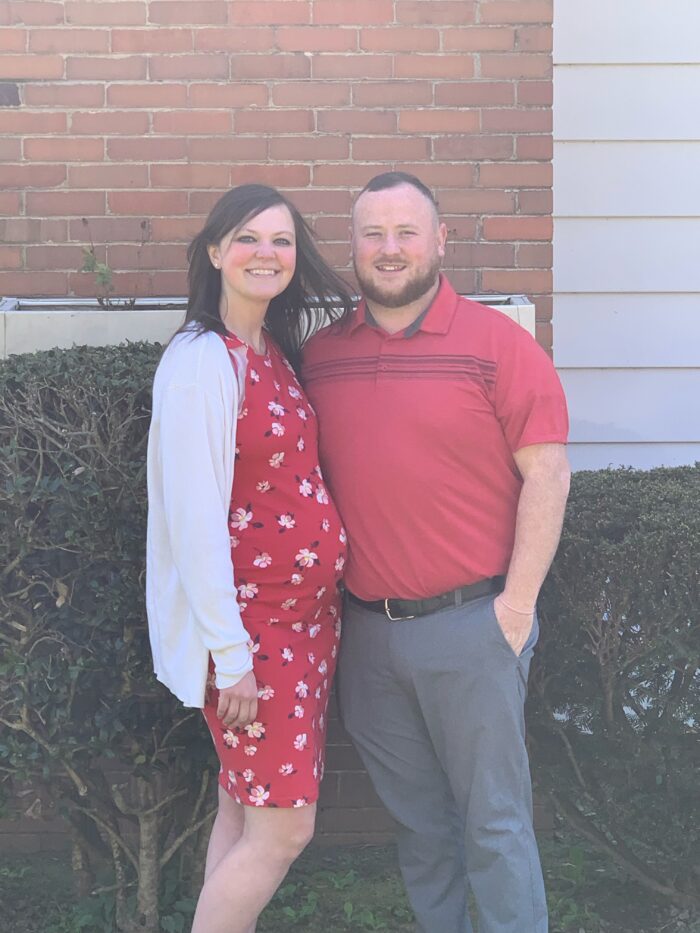
Photo courtesy of Amy Staton
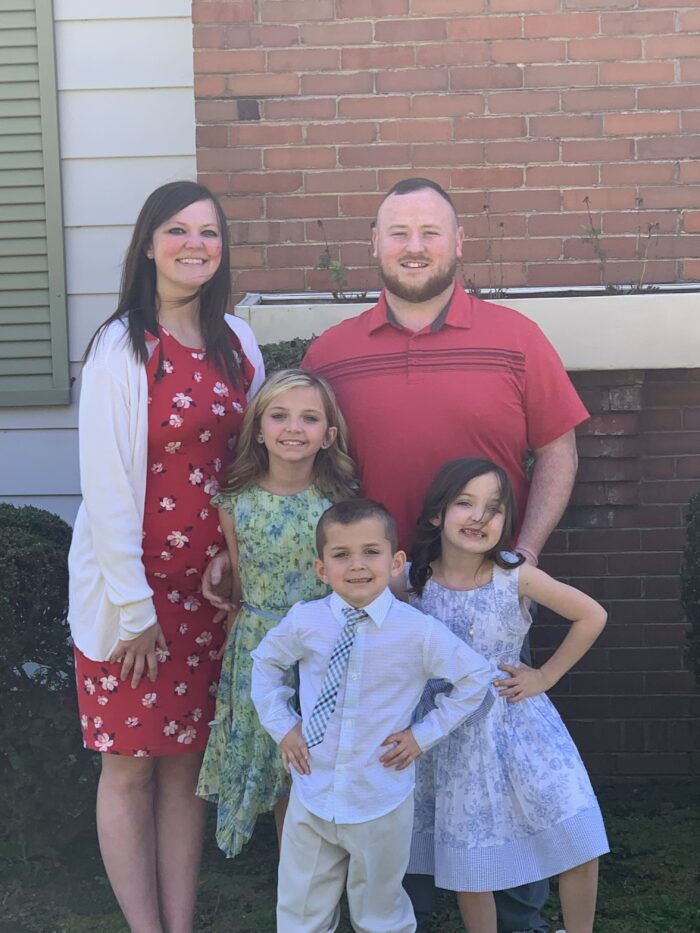
Photo courtesy of Amy Staton
“With twins you are considered high risk. You get more ultrasounds, more doctor’s appointments, more bloodwork and tests.
…Every appointment means taking time off work and driving 30 to 45 minutes. And it does go through your mind — how am I going to get there if I go into preterm labor? What happens if I don’t make it?
At least give us a place to say, if I need you, you’re there. Give us the comfort of knowing I will be okay if something happens.”
— Amy Staton, medical assistant at Williamson Health and Wellness Center and mother of five
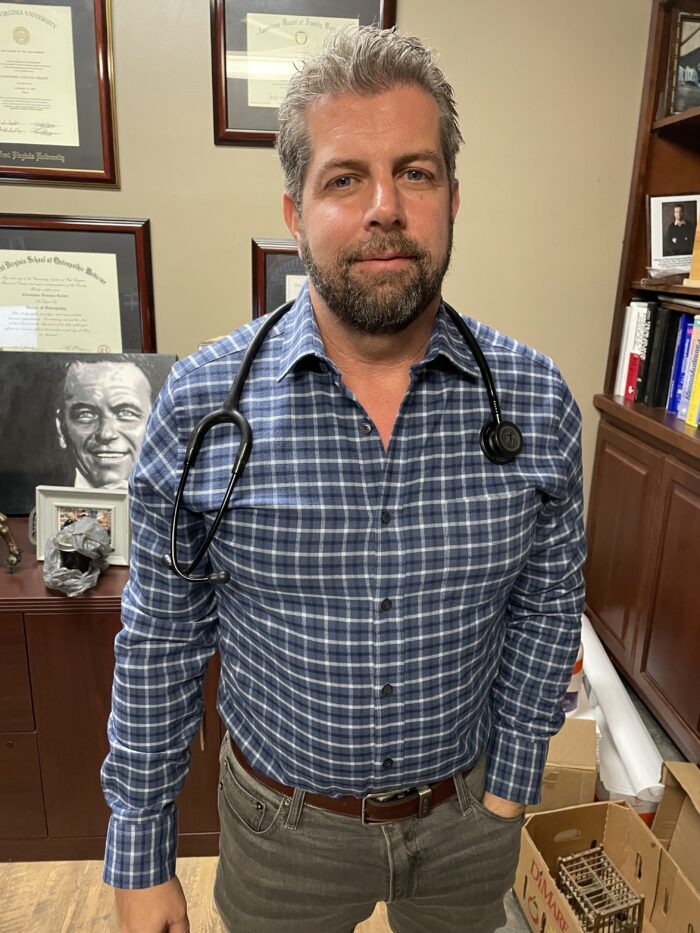
Photo Credit: Trey Kay/West Virginia Public Broadcasting
“None of us were happy [about the closing of Williamson Memorial Hospital]. Two of my children were born at that hospital. It was something the community didn’t want to lose.
But when you look at it financially, obstetric services are some of the hardest for rural hospitals to sustain. They require specialized staff, equipment and doctors available around the clock.
…Hospitals reach a point where they have to decide whether they can continue providing those services or risk losing the ability to offer other care altogether.”
— Dr. Dino Beckett, CEO of Williamson Health and Wellness Center and family physician in Williamson, W.Va.
Learn more about the Williamson Health and Wellness Center.

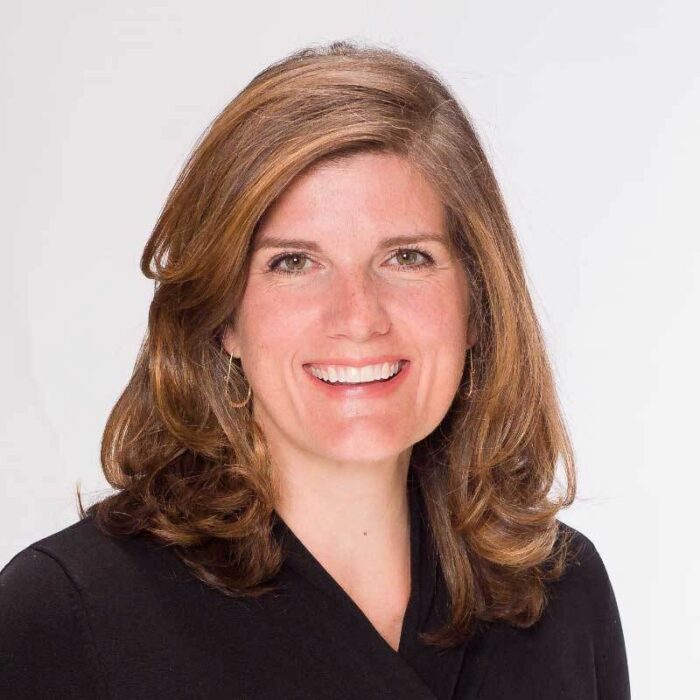
Photo courtesy of the National Rural Health Association
“Rural health is a microcosm of what we see in our larger health care delivery system. We’re seeing more and more closures of rural facilities — entire hospitals, but also hospitals that once provided maternity care.
What has historically been a challenge is becoming more difficult in many of our communities. When a hospital loses services in a rural area, it affects far more than health care — it impacts jobs, economic development and whether families can continue to live there.”
— Carrie Cochran-McClain, chief policy officer, National Rural Health Association
Learn more about the National Rural Health Association.