


Your browser doesn't support audio playback.
Gov. Patrick Morrisey is getting pushback for the concerns he’s raised about school clothing voucher funds that are accessed through ATMs.
Under the program, $200 for each student approved for the program is loaded onto EBT cards. The funds are intended to be used for back-to-school clothing purchases. The program began accepting applications several weeks later than is traditional, and shut down after just a week because available funds had been depleted.
Morrisey’s office said this week that almost half of the funds distributed to low-income families – about $5.4 million – was taken out in cash at ATMs.
“I don’t want a penny of the money that should go for school clothing to be spent for cigarettes, to be spent for beer, to be spent for all these things,” he said this week. He pointed out, it’s impossible to trace how funds that are cashed out are actually used.
Morrisey said he’s launched an investigation into the use of voucher funds.
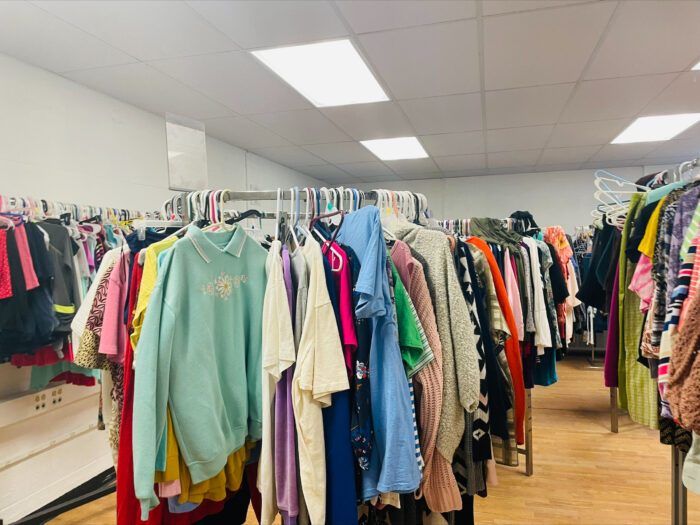
But multiple thrift stores contacted by West Virginia Public Broadcasting said they haven’t been given a state vendor ID that would allow customers to use their EBT cards. Instead, some say they direct shoppers to the closest ATMs.
Del. Hollis Lewis, D-Kanawha, aired his concerns about the investigation on social media.
“Many West Virginia families in need were unable to receive clothing vouchers because of the program’s extremely short application period. Alleged fraud was not the reason the voucher program was mishandled,” Lewis wrote in a Facebook post.
“If the governor has concerns about misuse, there are numerous safeguards we can implement to ensure the funds are used for their intended purpose. However, attempting to deflect to “fraud” is disingenuous.”
Lewis said the cash disbursements aren’t the real problem.
“That talking point is a pure distraction. It distracts from the criticism that was laid upon the governor’s office for the application process,” Lewis said. “It’s stigmatizing and stereotypical, where we’re going to try to blame, indigent folks for a flaw in the process.”
The Legislative Oversight Commission on Health and Human Resources Accountability meets Tuesday to investigate the cash disbursements.