


Your browser doesn't support audio playback.
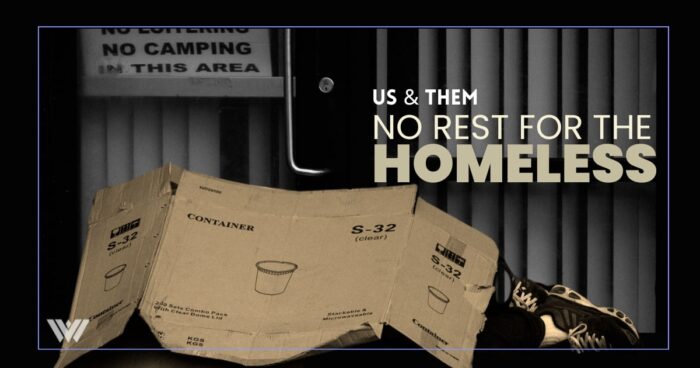
There are people in the U.S. who break the law each day, simply by sleeping outside.
This year, more states and local governments have passed laws banning public sleeping after a U.S. Supreme Court ruling that makes such laws constitutional. One sweeping state effort is the Safer Kentucky Act, a set of anti-crime laws that includes hardline provisions on gun crimes, fentanyl, and a three-strikes rule similar to the tough-on-crime laws of the 1990s. It also says public sleeping is illegal and because of the three-strikes rule, if you sleep outside enough, you can end up serving real time.
Kentucky’s law originated as a response to crime and homelessness in Louisville. However some people say the law criminalizes homeless people and may put more of them behind bars.
This episode of Us & Them is presented with support of The Just Trust.
Subscribe to Us & Them on Apple Podcasts, NPR One, RadioPublic, Spotify, Stitcher and beyond.


Kay spoke with King Fox, a homeless musician who earns his living busking with his guitar on the streets of Louisville, Kentucky, to learn how the law affects his life. Fox said the law doesn’t make much sense to him because he doesn’t believe the city has enough room in its jails to enforce it. He joked about the conversations homeless people might have with other incarcerated people: “What are you here for? Camping out. Yeah, hardened criminal,” he said, laughing.
Photo Credit: Trey Kay/West Virginia Public Broadcasting
“I got my Epiphone stolen over the Fourth of July weekend. It was like, July 6, and these guys, I was there getting food, and they asked if I needed money. And I was like, ‘Well, of course, I’ll take money. But if you got me a guitar, I could make my own money, and then I wouldn’t have to, you wouldn’t have to take care of me.’ And and they thought it was a great idea.”
— King Fox

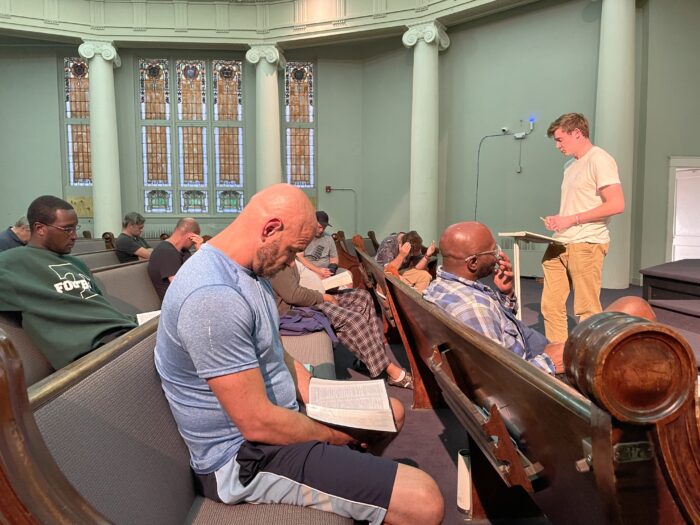
Photo Credit: Trey Kay/West Virginia Public Broadcasting
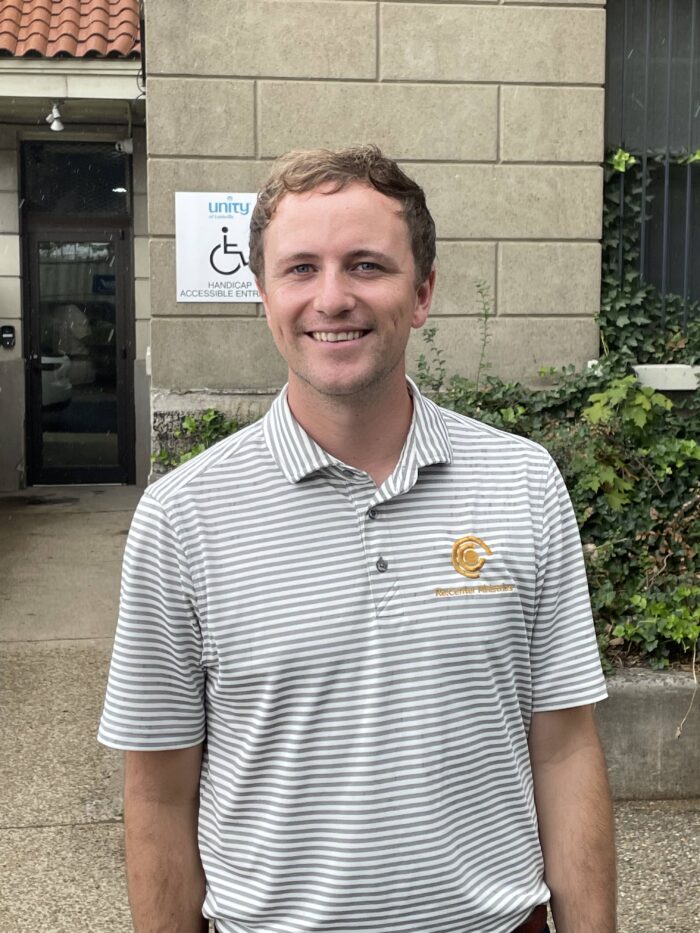
Photo Credit: Trey Kay/West Virginia Public Broadcasting
“I’m not going to claim to be a policy expert or a political activist or any of that, but what I’m seeing you know, on the ground… I think a lot of the [Safer Kentucky Act] kind of misses the mark in terms of what’s actually needed, and what the actual problem and the scope of homelessness. I think the intention is to push people into shelters to push people towards resources, which sounds really good, except that the infrastructure is not necessarily there. And so this kind of sweeping bill that’s trying to be a one size fits all, that assumes that there actually are places to push people towards, I think, is detached from the reality that we’re facing.”
— Andrew Crawford
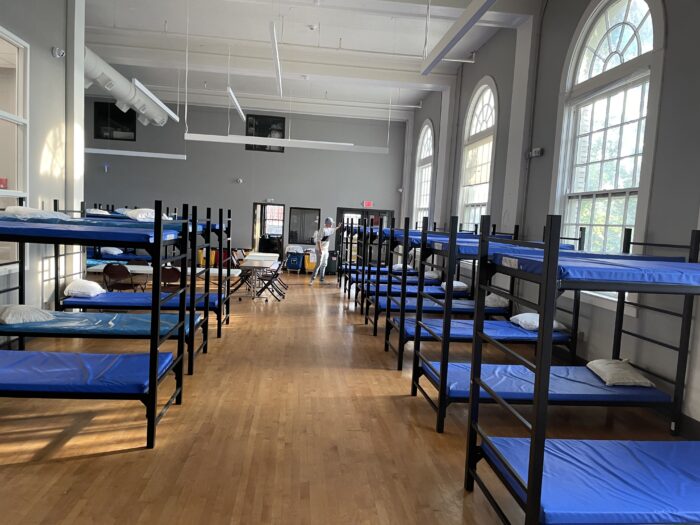
Photo Credit: Trey Kay/West Virginia Public Broadcasting
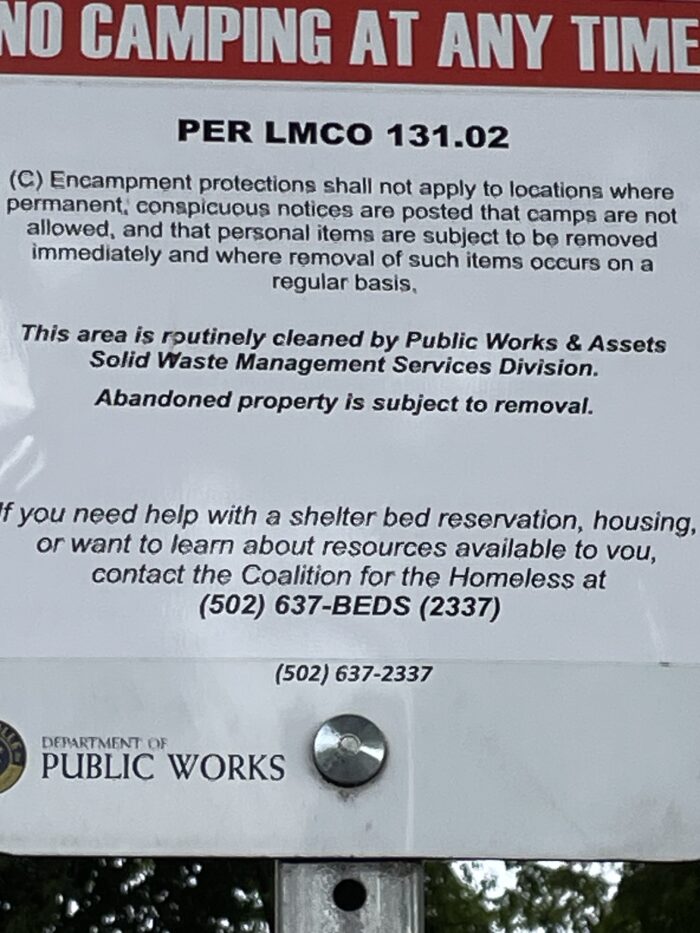
Photo Credit: Trey Kay/West Virginia Public Broadcasting
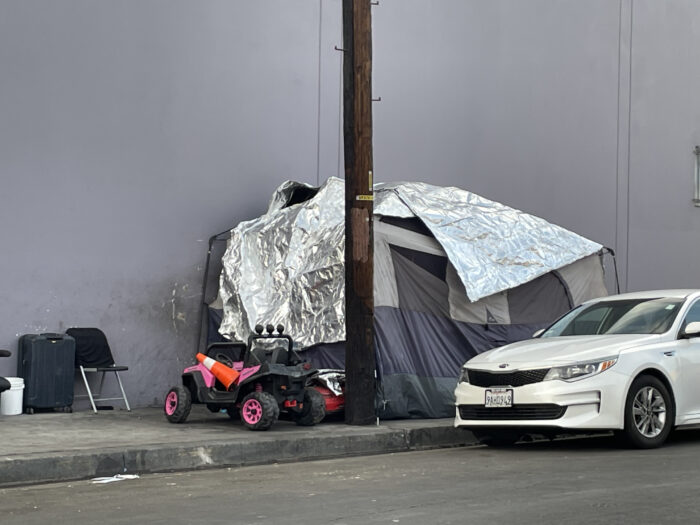
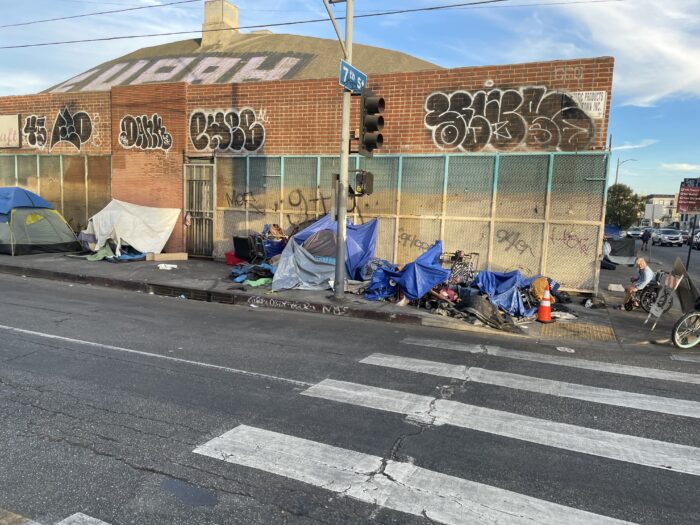
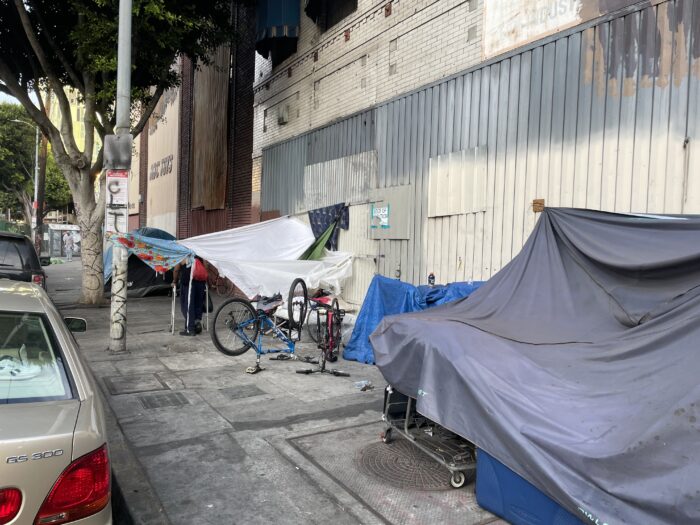
Pictured above: In California, a state with one of the most visible homelessness crises in the United States, Us & Them host Trey Kay visited the Skid Row neighborhood in Los Angeles. The area near downtown has one of the nation’s largest homeless populations—over 4,400 people across approximately four square miles. Skid Row has been a hub for homelessness since the 1930s, with a long history of police raids, city initiatives, and advocacy efforts. (Photos: Trey Kay/West Virginia Public Broadcasting)

During his tenure as governor, with a growing homeless population, Newsom has backed law enforcement sweeps to clear homeless encampments. After the U.S. Supreme Court’s Grants v. Pass decision overturned a ruling earlier this year that had blocked such actions, Newsom accelerated these efforts. In August, he stood in front of a Los Angeles homeless encampment and issued a warning to local governments: Clean up these camps or risk losing state funding next year.

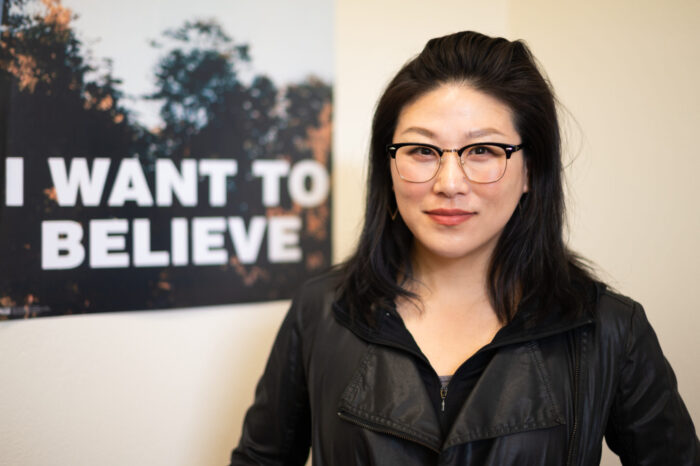
Photo Credit: Berkeley News
“To begin with, people’s property is confiscated. You can imagine being outdoors with your tent, sleeping bag, bottle of water, and snacks, and having all of that taken from you—it’s completely disruptive to their day-to-day lives. But people also lose identification, vital medical records, and even sentimental items. I met a woman once who lost the last photograph she had of her deceased son. These are traumatic and often irrecoverable losses…It’s not just about taking away someone’s ability to care for themselves on a daily basis; it’s also about causing significant emotional trauma in the process. My research, as well as the work of many others, shows that when people experiencing homelessness are criminalized, the inevitable outcome is that they become even more invisible.”
— Jamie Chang
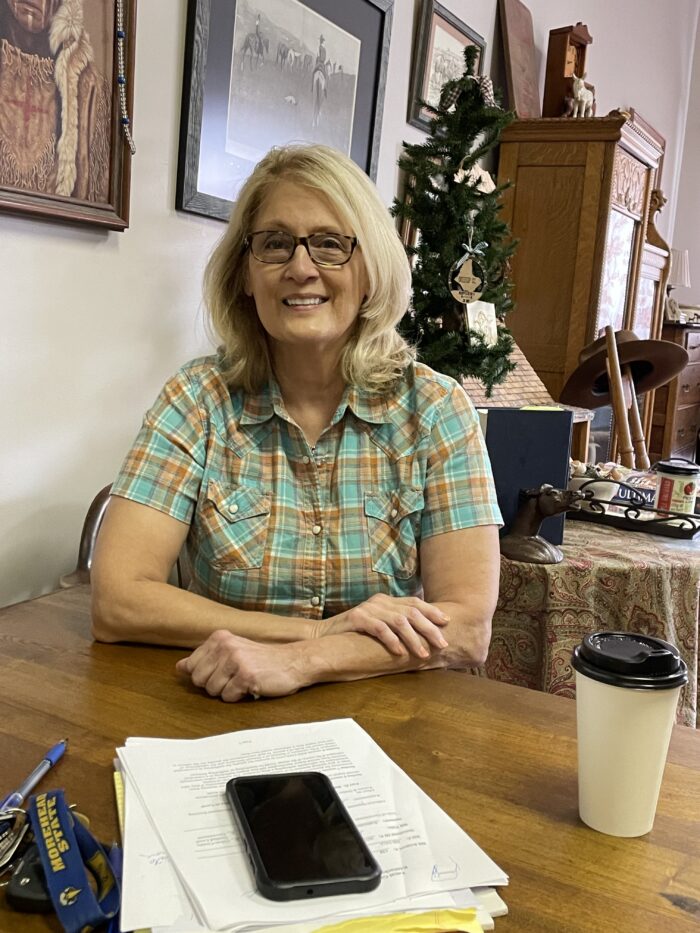
Photo Credit: Trey Kay/West Virginia Public Broadcasting
“I would like to have seen a more robust discussion with more data. Data was asked for, and I, to this day have not seen [it]. And then some of the things that might have been alluded to like a surge in violent crime? In Kentucky violent crime is going down. So those kinds of data driven things is what’s really needed to be digested by the policymakers and the public. But I think the impetus for this bill is frustration and I think, you know, it’s well taken. I mean, we’re not the only ones grappling with these issues, and it’s frustration as a policymaker. The fiscal mode, the impact on county jails, and the county governments that pay for those prisoners until they’re state prisoners, because this population is the misdemeanor population on the homeless provision side, will be carried by the county, the county governments.”
— Kentucky State Sen. Robin Webb
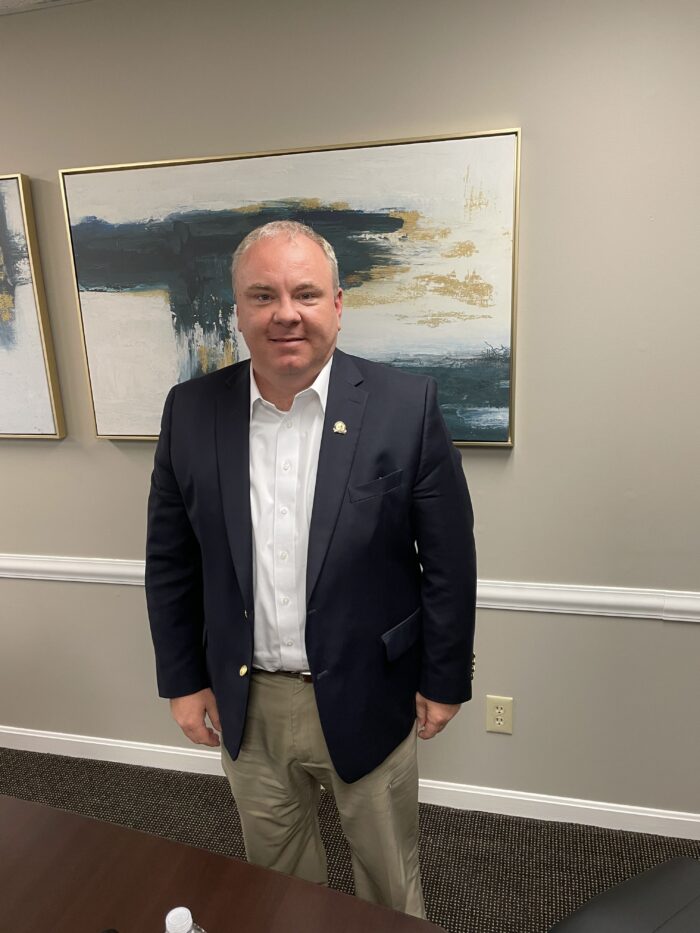
Nemes explained that the core of the Safer Kentucky Act is to target violent criminals by ensuring longer jail sentences. One provision aims to prevent individuals who use handguns in the commission of crimes from being released early. He said lawmakers consulted with law enforcement and victims to highlight a disturbing trend of adults using children to commit crimes.
One provision of the law stipulates that if an adult uses a child to commit a crime, the adult is guilty of the same offense as the child. Additionally, the law increases the severity of the charge for the adult.
Photo Credit: Trey Kay/West Virginia Public Broadcasting
“We’re not criminalizing homelessness. We’re criminalizing activities that are engaged in by a number of homeless people. Within this particular bill, we asked for cities to create a haven, if you will, for the homeless. So we don’t want them to go to jail. That’s the last effort here. We want to identify those folks and push them toward treatment. So we’ve said to our mayors and our county judges all across the commonwealth, we want you to create a place with potable water, a place with a facility so people can go use the restrooms, and we want a place where we can get social services to these folks in Louisville.”
— Kentucky State Rep. Jason Nemes

Photo Credit: Kentucky Sheriffs Association
“I think the legislature, when they started putting this bill together, was absolutely tired of the carjackings in those city areas. They were absolutely tired of the same people being in the system all the time. Now that’s an issue that we have in rural Kentucky also, you know, the same people continuously in the system. Now, what this bill does, it is going to fix a lot of that problem. It’s going to deter some of the criminal activity. Because, I mean, there’s something to lose. Now, you’re not just going to go to court, get sentenced and probated in 30 days. It’s not going to, you know, it’s not going to happen like that anymore. That’s going to continuously build up, and then once you have your third strike, you’re going to be out … I applaud the legislature for doing what they’ve done, for taking the bold step, for actually addressing issues that people hasn’t want to address.”
— Jerry Wagner

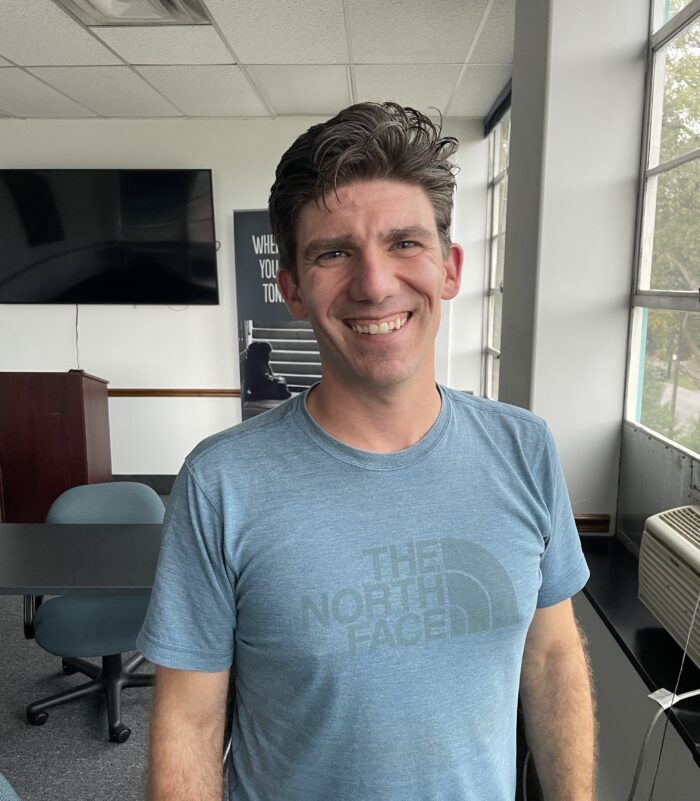
Photo Credit: Trey Kay/West Virginia Public Broadcasting
“The big issue for us is that we have a limited number of resources to address homelessness here. Last year, we housed about 1,600 people, taking them off the street and into housing. But in that same year, 4,500 people entered homelessness for the first time. Right now, our inputs are outpacing our outputs. There’s also a belief that there are enough shelter beds, treatment beds, or spaces available every night — but that’s just not the reality for someone sleeping outside. Our shelter access line has to start telling people we’re full by 11 a.m. We manage a family shelter waiting list of 15 to 25 families every week. When we hear people say, ‘Oh, they can just go to a treatment bed’ or ‘They can find another shelter,’ it’s frustrating because that’s not what we see on the ground every day.”
— George Eklund
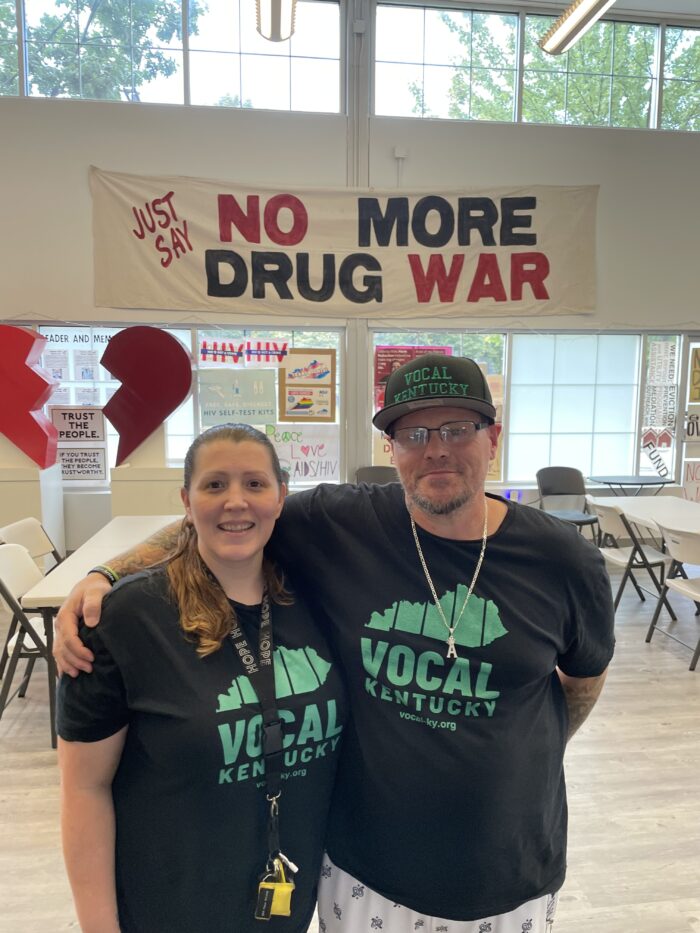
Photo Credit: Trey Kay/West Virginia Public Broadcasting
“Please understand that it’s hard to get a job when you have a tent or a backpack on your back. It’s hard to get a job when you’re not sure if you look presentable, when your ID and Social Security card have been thrown away, or when you don’t even have a phone to get a call back. Trying to live a real life when you’re homeless is really hard. And what’s the endgame of citing and fining unhoused people? What are we going to do about housing?”
— Pony Morris